Now Reading: Word of the Week: Pearling
-
01
Word of the Week: Pearling
Word of the Week: Pearling
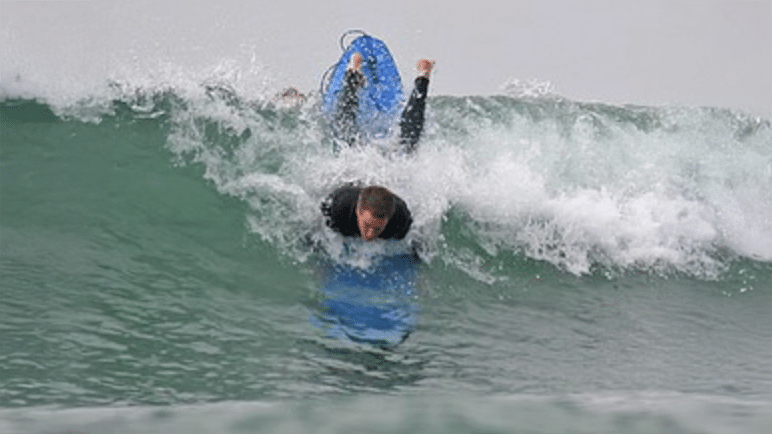
Word of the week is pearling. Such a pretty word, such a lousy thing to happen to a surfer. Let’s unpack.
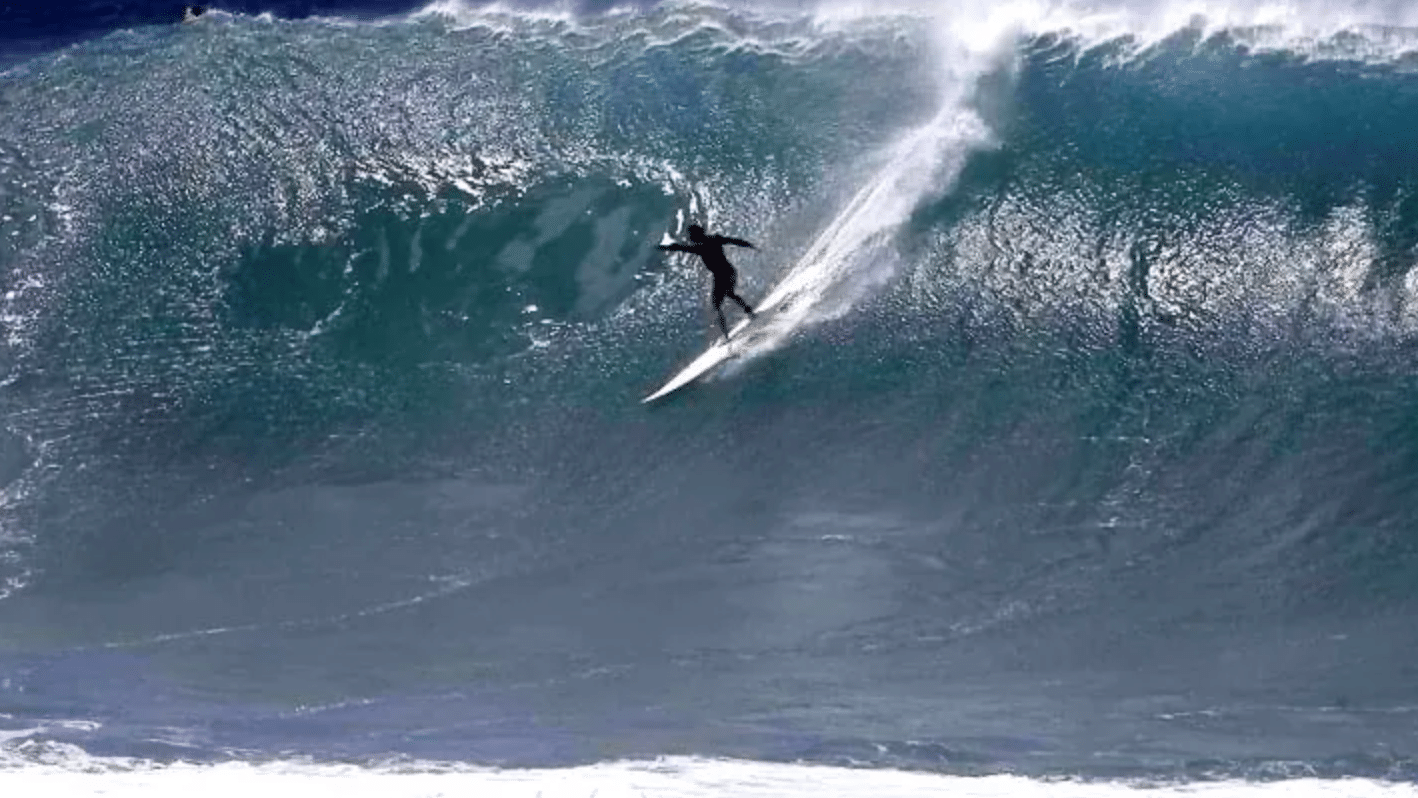
Pearling is when the nose of your surfboard digs into the water as you’re catching a wave—usually during takeoff. The nose buries itself, and it checks or stops the motion of the board. As a result, you lose balance, and over you go.
It’s also sometimes called nosediving—but pearling has a bit more style to the name, right? It comes from pearl diving, as the surfer is about to find themselves in the bed of pearls.
It’s a dangerous way to come off the board for sure.
⚠️ Why does pearling happen?
Pearling is usually the result of the rider putting too much pressure on the front of the board or from hitting the water chop. Or if you’re hesitating with your pop-up or being late on the wave takeoff. Either way, not fun.
Sometimes, it’s unavoidable. For those avoidable times:
✅ How to avoid pearling
1️⃣ Shift your weight back during takeoff
Start paddling with your chest slightly back from center if you’re prone to nosedives. As you feel the wave pick you up, subtly lean back a touch to lift the nose.
2️⃣ Pop up clean and quick
A smooth, confident pop-up gets your weight centered where it needs to be. No hanging out in push-up position or creeping to your feet—that just invites the nose down.
3️⃣ Angle your takeoff
If the wave’s steep, don’t go straight down the face. Angle a little left or right to help avoid the nose burying.
4️⃣ Choose the right wave for your board
If you’re riding a flatter board, look for gentler, rolling waves, not pitching shorebreak.
5️⃣ Get to know your board’s rocker
If you’re switching boards, remember: flatter nose = be extra mindful on steep takeoffs.
6️⃣ Paddle earlier
Pearling often happens when you’re too late. Give yourself time to match the wave’s speed.
7️⃣ Learn to read the waves!
Better wave judgment means fewer unexpected nosedives.