
Now Reading: Where the hell do I sit in the lineup?
-
01
Where the hell do I sit in the lineup?
Where the hell do I sit in the lineup?
There’s nothing more frustrating than watching one’s significant other sitting so far on the shoulder that there’s no danger of them catching a wave.
But hey, unless you grew up surfing Malibu since you were 6, no one tells you this stuff. You just kind of… paddle out, plop yourself in a spot, and hope for the best. And then wonder why you’re either getting zero waves or getting yelled at. Or both.
So first off, what even is a lineup?
It’s not a formal thing. There are no beach chairs or waiting numbers like at a meat counter or the DMV. If there were some beach chairs, you could at least do the German (I’m European) trick with a towel and reserve your spot.
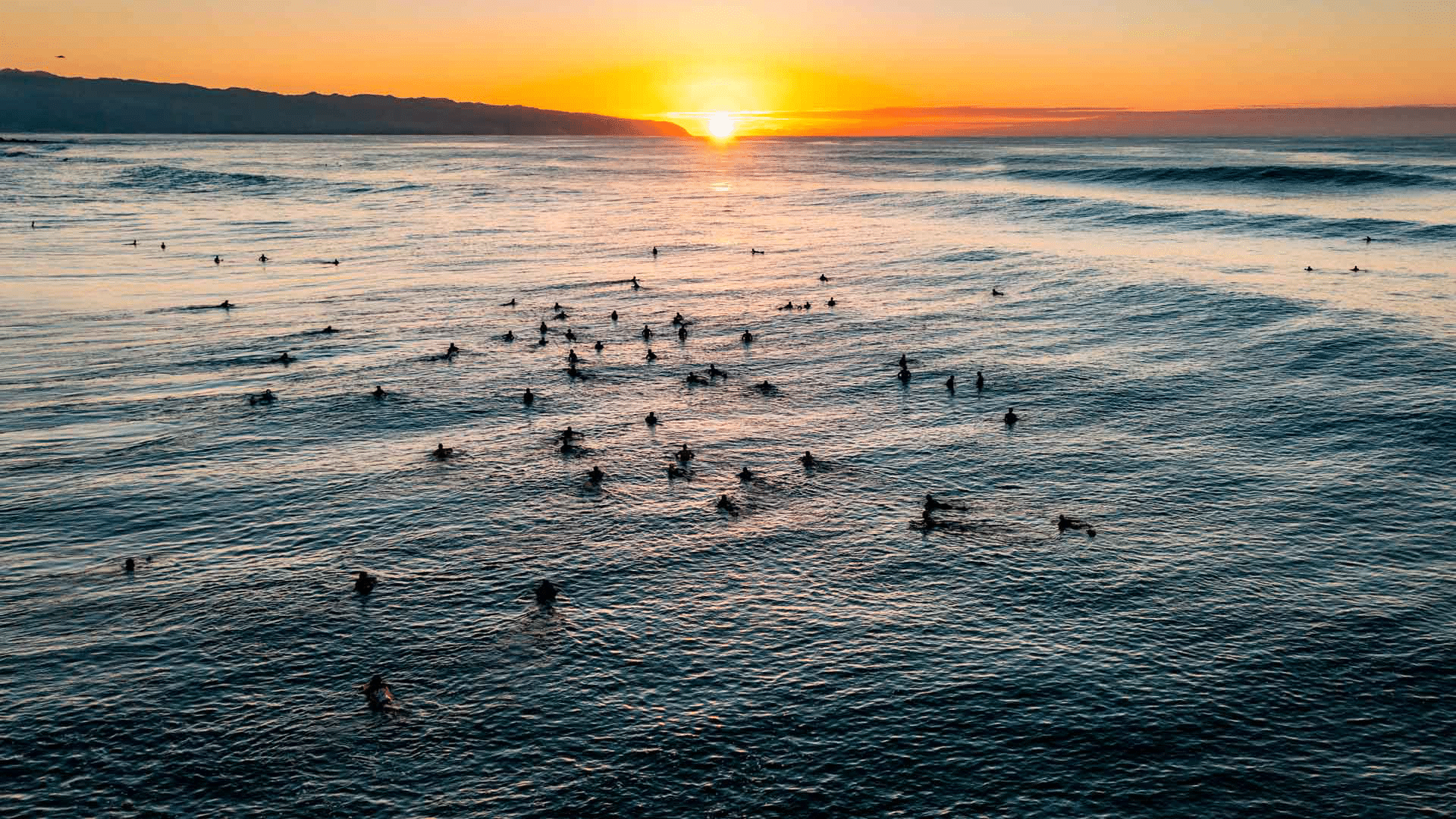
The lineup is just the zone in the water where surfers sit and wait for waves. Sometimes, they wait a long time. It’s usually just outside the breaking waves, where the unbroken “green” waves start to form. But the position you sit in—whether you’re at the peak, off the shoulder, or just floating aimlessly—makes a huge difference in whether you catch waves, whether you get eaten, and whether people in the lineup think you know what you’re doing.
Okay. How do you find the peak?
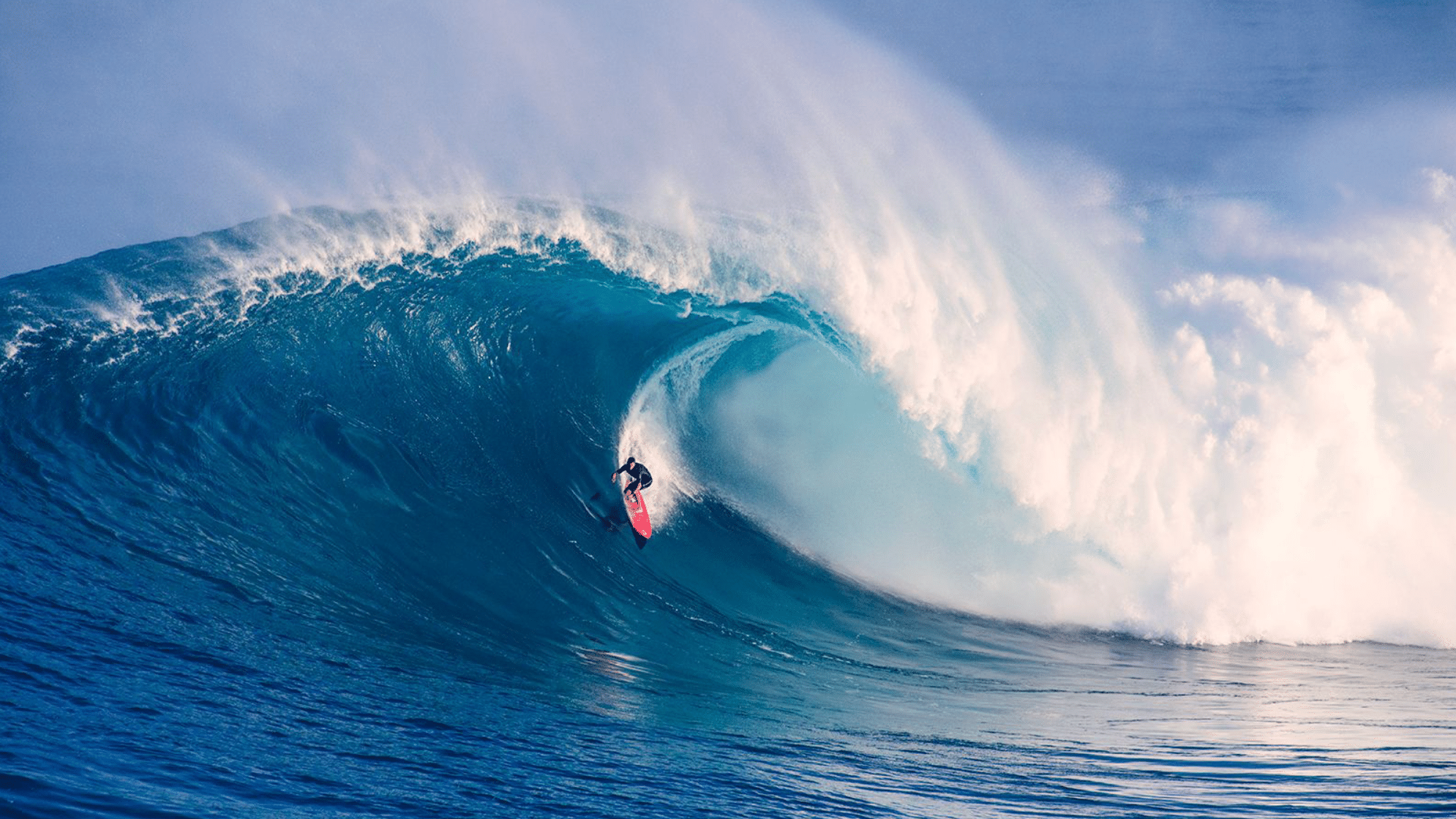
Every wave breaks in a specific way, and you want to be where the wave starts to break—that’s the peak. Some waves break left, some break right, some break both ways, and those are A-frames. Look for the spot where surfers are consistently taking off and getting rides. You can usually spot wee lumps on the horizon coming in—watch how they form and where they break.
And that’s the golden rule for every beginner or visitor to a new break: sit yourself down and study. For at least 10 minutes. Where are the good surfers (those who are catching everything) sitting? Are there multiple peaks? Which waves are they breaking? Also, is this the kind of break where there’s more than one surfer per wave allowed? Meaning—is it a friendly break? It happens, you know.
And whatever you do… start by sitting on the shoulder. Then you can work your way up politely, slowly. You’ll know how and when—keep looking at what other surfers are doing. If you’re catching waves and holding your own, you’ll naturally move closer to the peak without pissing anyone off. At least, that’s the theory.
Let’s talk about finding your own personal spot, which, by the way, you don’t own. Don’t get upset if other surfers look like they’re following you. It depends on your skill level. If you’re not catching anything, you might be too far out or too far off to the side. If you’re getting thrashed every time a set comes in, maybe you’re too far in.
BTW, if you have caught zero waves and everyone around you has, something is definitely off. You could blame their tools, but I have seen good surfers on bad-for-conditions boards, so you know—it may just be you.
You might’ve seen it—the best surfers are constantly repositioning. Also, it’s easier to catch a wave while you’re already moving.
Etiquette time. Again.
It seems like we’re doing it in every episode these days.
The person closest to the peak has priority. If someone’s already paddling for a wave and they’re deeper than you, it’s not your wave. Don’t paddle around people just to get closer to the peak—that’s called back-paddling, and it’s considered a jerk move. Also, don’t sit directly inside someone and take a wave unless they’re your buddy and they’ve said, “go for it.” Otherwise, you’re just snaking them.
Oh. Spacing. Let’s talk about sitting on top of other people.
You want to be not so close to someone that it’s awkward if you both paddle for the same wave. Respect the bubble. Do you know that’s how you drive cattle too? You must respect the bubble or the cows will disrespect you.
Watch before you paddle out. Don’t go straight to the peak. Adjust often. The lineup shifts. Waves shift. People shift. Know your place—but also know when to go for it.
We can talk about lineup vibes another time.