
Now Reading: When is it too dirty to surf?
-
01
When is it too dirty to surf?
When is it too dirty to surf?
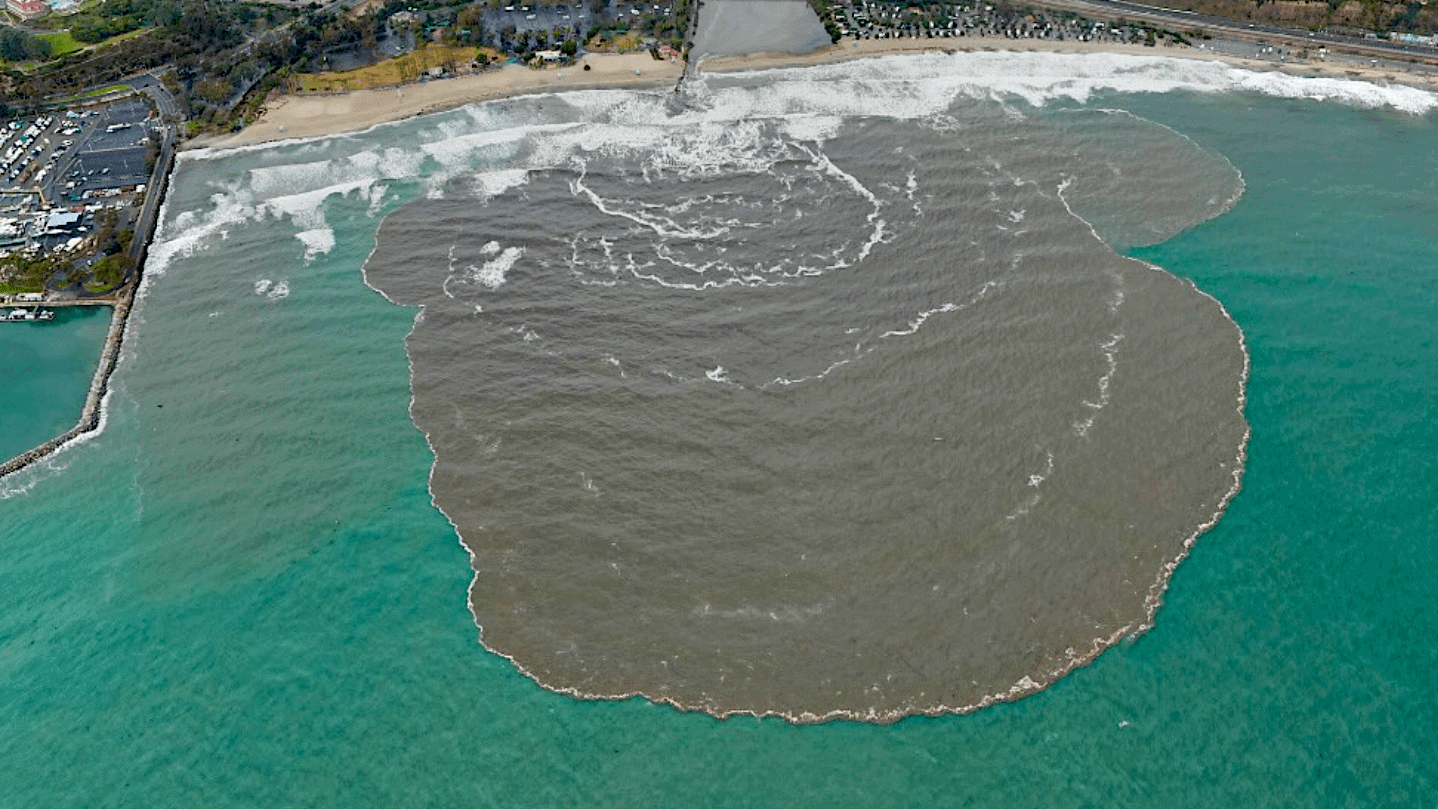
It’s just rained in LA this week. In October! And as I have been writing about the murky river waters that are unavoidable while performing bore wave surfing, it occurred to me that perhaps we should talk about the sometimes murky waters of our oceans. Because sometimes it’s just too dirty to surf.
Our oceans are dirty
Dirty, dirty oceans. And we’re the culprit. You might’ve seen the news this week that we’ve crossed the first tipping point in climate change. Namely, scientists have determined that the “tipping point” for coral reefs begins, and now we’re being told that we’re in the middle of the coral reef dieback—the collapse of coral reefs worldwide, if you will.
You may be wondering what this has to do with the water conditions at your local surf spot. You may not even like coral reefs much, because they are brutal and can leave a nasty scar. (They can actually do that whether they’re alive or dead, so not to worry.)
It’s the temperature. The warmer the ocean, the dirtier it becomes. Let me explain.
Plastics and microplastics
As if just having plastic in the ocean weren’t enough, now the higher ocean temperatures speed up the breakdown of plastic debris into smaller, more harmful microplastics.
These tiny particles can be ingested by marine life, who then carry the toxins up the food chain. Or you can just gulp a handful of microplastics yourself.
Algae blooms & runoff soup
Warmer ocean water—especially when combined with nutrient pollution from runoff—creates perfect conditions for bacteria to grow.
Now, what is runoff? Basically, it’s rainwater and everything it sweeps up going straight into the ocean. Runoff sounds so benign, but how’s this: fertilizers and pesticides from farms, oil, gasoline, and heavy metals from roads, trash and plastics from urban areas, animal waste, or sewage overflow. Oh my.
Back to algal blooms. They deplete oxygen in the water, creating “dead zones” where most marine life cannot survive. Not all algal blooms are harmful, but some types of algae produce toxins that can cause skin irritation and even severe illness.
️ Oil spills (yes, still a thing)
Okay, oil spills don’t happen every day, but when they do, it’s better if they happen in colder water. You know—physics. Low temperatures make oil more viscous, and therefore less likely to go all over the place.
So, are we saying that it’s already too dirty to surf?
No need to fully panic yet. One could say that surf spots occasionally get too dirty to surf.
Urban runoff after a storm will ruin any surf spot for about 72 hours (that’s not a hard and fast rule), and even if the water looks surfable—i.e. not brown as baby’s poop—it can still be full of E. coli, staph, and other gross things that cause ear infections, skin rashes, pink eye, sinus infections, and even gastrointestinal issues. So, be aware of the risk you’re taking.
What can you do?
It’s always good practice to follow beach closures and health advisories, even if they’re sometimes conflicting.
The 75–200 million tons of plastics in the ocean? Well, that’s not going away, and it’s something we’ll need to live with for now.
As we will have to deal with “human overcrowding.” There’s currently a study being done on how too many people on beaches is contributing to increased bacteria in the oceans.
Practical advice from surfers who deal with less-than-ideal water conditions daily: neti pot religiously to avoid sinus infections.