
Now Reading: What makes Uluwatu Uluwatu
-
01
What makes Uluwatu Uluwatu
What makes Uluwatu Uluwatu
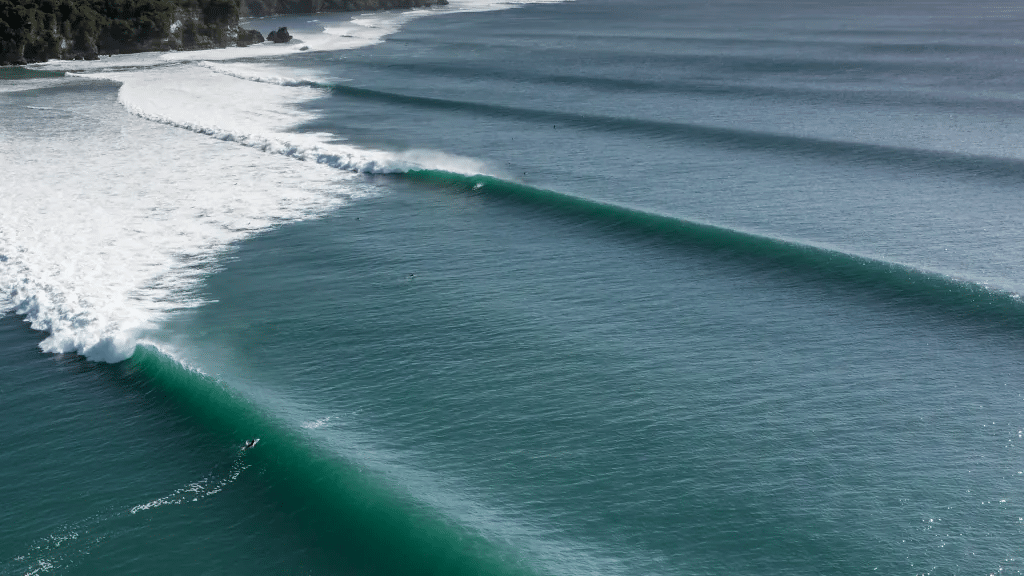
I have never been to Bali, but I find researching Uluwatu extremely romantic. To the point, I would just go to see it. And then head over to Kuta for some beginner-friendly waves. The wave sounds delightful, though.
Not time to read? There’s a micro-pod for that.
where uluwatu actually is
Uluwatu—known simply as Ulu to anyone who’s ever dragged a board bag across Bali—is one of those places that feels almost mythic. It sits on the southwest edge of the Bukit Peninsula, tucked beneath cliffs crowned by Pura Luhur Uluwatu, a temple whose name roughly translates to “the last stone.”
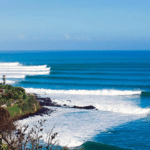
Below it, the reef stretches out like a runway for left-handers that seem to peel into eternity. What surfers discovered here in the early ’70s wasn’t just a new wave; it was the gateway to the entire chain of dreamlike Indonesian reef breaks that would define generations of surf wanderlust.
when uluwatu shines
Uluwatu comes alive from May through October, when distant winter storms in the Indian Ocean send line after line of swell toward the island.
Four-to-eight-foot days are the bread and butter of the season, punctuated by the occasional oversized pulse that spikes into the double digits. Add in the reliable southeast tradewinds, and you get that silky, groomed perfection you watch in the surf movies.
the reef, the sections, the labyrinth
The reef itself is a bit of a labyrinth. Here’s how it’s described by Matt Warshaw in the Encyclopedia of Surfing:
“Uluwatu’s sweeping, coral-covered lava reef has three main sections: 1) Outside Corner, a shifty wave located farthest out to sea, is best on lower tides, starts breaking at six feet, can hold form up to 15 feet, and sometimes produces rides up to 300 yards long. 2) The Peak, or Inside Corner, is the main surfing area, located just in front of a beach-access cave, and features a shifting set of peaks when the waves are between three and six feet. 3) Racetrack, further inside, is Uluwatu’s five-star section; a long, fast, hollow wave that gets bigger as it coils and spits down the reef. Racetrack requires a mid-sized swell and mid-range tide.”
crowds, critters, and consequences
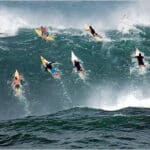
Crowds are as much a part of modern Uluwatu as the reef itself. Its closeness to Kuta and its decades of fame mean the lineup can feel like an international arrival terminal, with a hundred surfers vying for position on a good day.
Sharks and sea snakes do occasionally swing by to say hello, but the real danger is the lava reef waiting just inches below the surface, particularly along Racetrack where the ocean does not care how fancy your travel insurance plan is, even if it includes “surfing.”
the discovery and the mythology that followed
Uluwatu was officially “discovered” in 1971 when filmmaker Alby Falzon showed up with fourteen-year-old Steve Cooney and California surfer Rusty Miller. The footage they shot for Morning of the Earth—absolutely spectacular—started the Ulu craze.
By the mid-’70s, Balinese surfers like Ketut Menda, Made Kasim, and Gede Narmada were sharing the lineup with icons such as Gerry Lopez and Peter McCabe, and Ulu began appearing regularly in magazines and films.
Competitions also started popping up, with the first pro event held in 1980 and many more to follow.
Over the years, Uluwatu has starred in plenty of surf movies—Free Ride, Bali High, The Sons of Fun, Year of the Tiger, Ulu 32—and a long list of guidebooks that cemented its status as one of the best waves on Earth.
Surfing magazine once ranked it among the world’s top 25, though eventually the spotlight shifted toward the hyper-hollow Padang Padang just up the reef.
so, is uluwatu for beginners?
By now you know it’s not really a beginner wave, because even if the waves are small, you get the reef. Assertive intermediate up, because crowds.