Now Reading: Surfing on social media isn’t really surfing
-
01
Surfing on social media isn’t really surfing
Surfing on social media isn’t really surfing

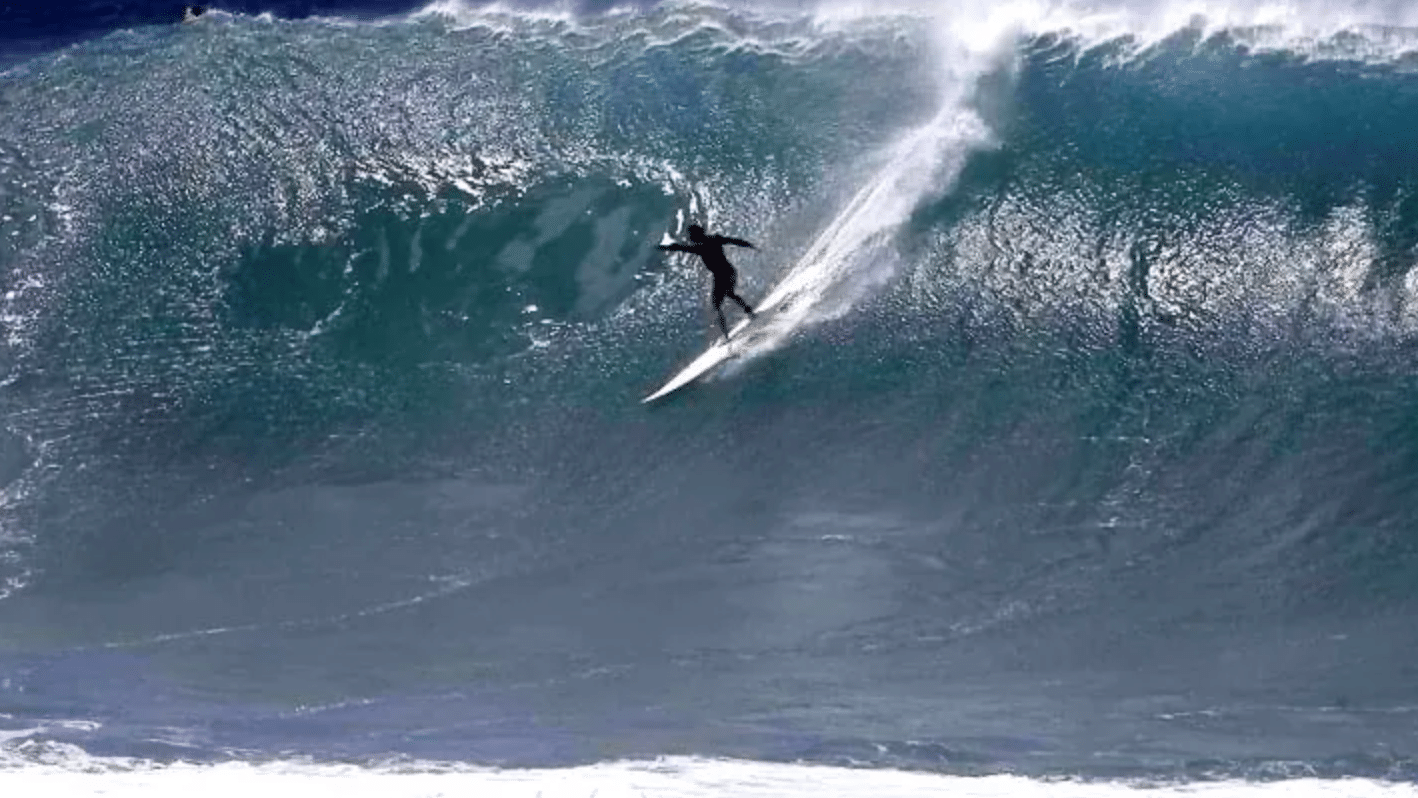
Do you devour surfing videos on social media like you haven’t eaten for a week? Yeah, me too. Although I am more selective these days about what I take from the footage.
Because watching surfing on social media is not really the surfing you get to enjoy when sitting in the lineup or watching from the beach. It’s awesome for analyzing other surfers’ pop-ups and admiring their footwork.
But the lens tends to focus on an individual surfer rather than the entirety of the surfing experience. And the lens is not facing your local break. As such, you miss out on a lot of juicy and helpful learnings.
Not to worry, here are 7 things to do next time you find yourself in the ocean not catching waves on a crowded day or admiring from the beach.
board type vs take-off spot
One of the easiest things to learn from watching your local spot is how different boards position themselves in the lineup. Longboards tend to sit wider and farther outside, foamies often hover in unpredictable places because we are beginners, mid-lengths drift somewhere in between, and shortboards cluster right on the peak. None of this is random—it’s dictated by how early a board can engage the wave and how much paddling you need to do.
Watching who catches waves early and who has to scramble teaches you more about board choice than any volume calculator ever could. It’s a great way to adjust expectations for your own board, too.
maneuvering around human obstacles
Crowded lineups are a masterclass in human navigation. Watch how experienced surfers avoid collisions without panicking. It’s an art form: small angle changes, slowing down, or committing rather than hesitating. You’ll also see clear differences between surfers who paddle wide to stay out of trouble and those who try to punch straight through. That surely must be personality-driven.
Pay attention to how better surfers magically anticipate beginner mistakes before they happen. They have a built-in “stay away” radar. Watching how people quickly recover after wiping out without blocking the entire lineup is invaluable.
will it, won’t it break
This is where watching really pays off. The wave you think is going to break often isn’t the one that does. By sitting back and observing, you’ll start to see patterns: which waves close out instantly, which ones peel, and which ones are just freaks of nature and don’t behave as they’re expected to.
We have an entire guide dedicated to this exercise if you’re interested.
paddle tactics
Watching stronger surfers paddle is enlightening. They usually start earlier than you expect, but with less panic in their eyes. They don’t seem particularly desperate, making micro-adjustments along the way.
Or you might get lucky and spot some “surf or die” shortboarders who jump on the wave at the very last possible moment, throw half a paddle, and they’re off.
look who’s talking
Most lineups are quiet affairs, but spotting how local surfers signal intent is priceless. Do they shout out “left” or “right” when taking a wave at the same time? Or do they just, you know, know—because they’ve spent so much time in the water with the same people that no words are necessary
It’s as if you watch the lineup on mute, but so much interaction is completely nonverbal, yet so telling.
how to get to the back
Getting out the back at any break is rarely about brute force. Watch where surfers enter and exit the water. Do most of them power through or wait for a lull? I read this once and it’s so poetic: the ocean almost always offers a path—you just have to see it.
Currents and rips are another kettle of fish, and you should be aware if that’s a feature of your break before you even step into liquid. Then, you can pay attention to how more experienced surfers navigate them.
problem kids & happy campers
Every lineup has characters. The snake—that’s the obvious one. The follower who will sit in your chosen spot wherever that spot happens to be. The hugger who rams their body into yours at the takeoff. And that one who is in dire need of an anger management course.
On the flip side, you’ll see who’s clearly having fun. Who laughs after wipeouts, celebrates other people’s waves, and screams “OMG. Yes.” as they catch their wave of the day. Next time, you’ll know who your people are and where to hang out.
Surfing is as much about catching waves and popping up as it is about pattern recognition. And as you become a more skillful pattern spotter, your surfing gets a big boost.