Now Reading: Surfing Hawaii, writing Hawaii: A conversation with Noah Evslin (NCIS: Hawai‘i, Rescue: HI-Surf)
-
01
Surfing Hawaii, writing Hawaii: A conversation with Noah Evslin (NCIS: Hawai‘i, Rescue: HI-Surf)
Surfing Hawaii, writing Hawaii: A conversation with Noah Evslin (NCIS: Hawai‘i, Rescue: HI-Surf)
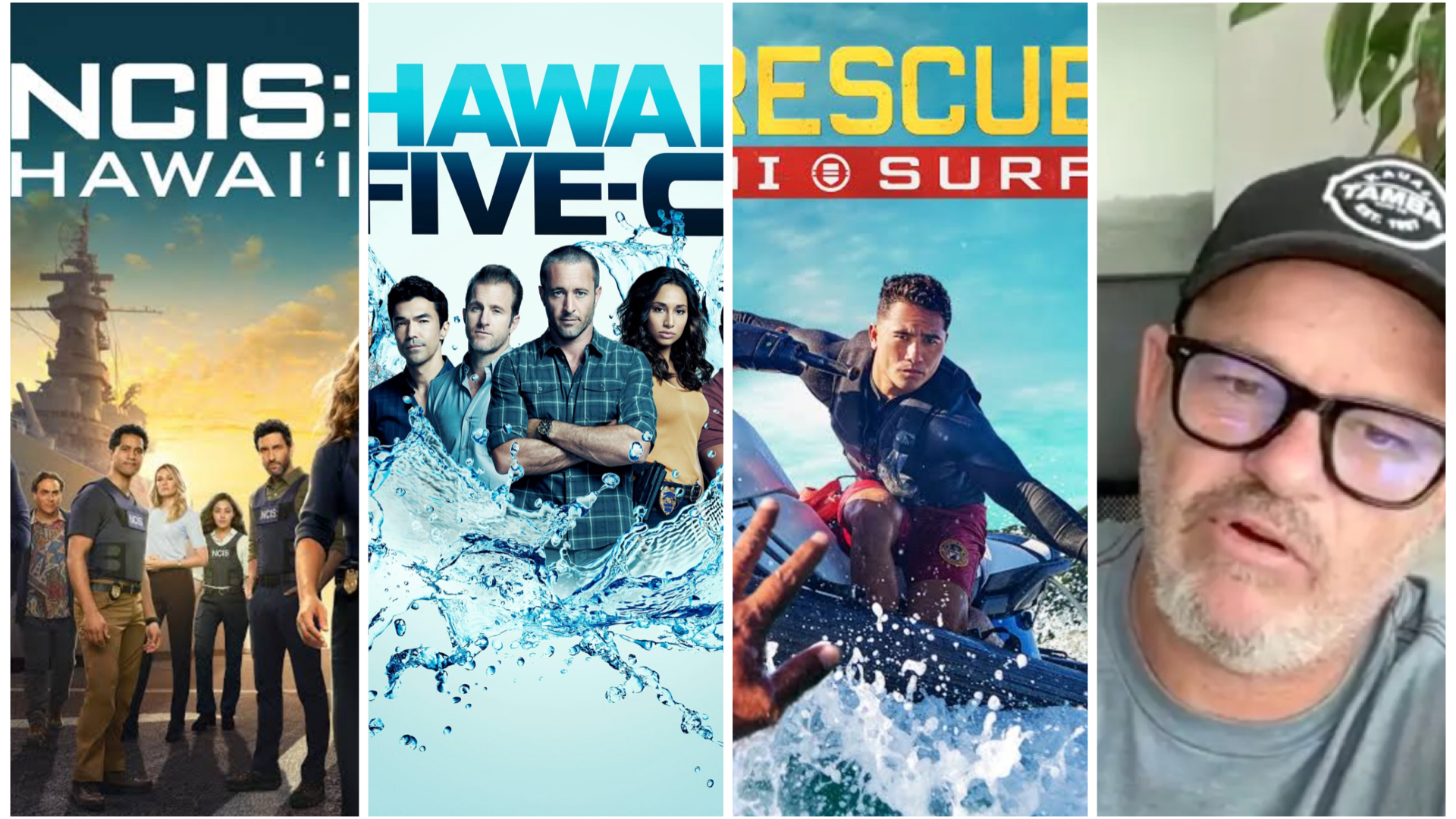
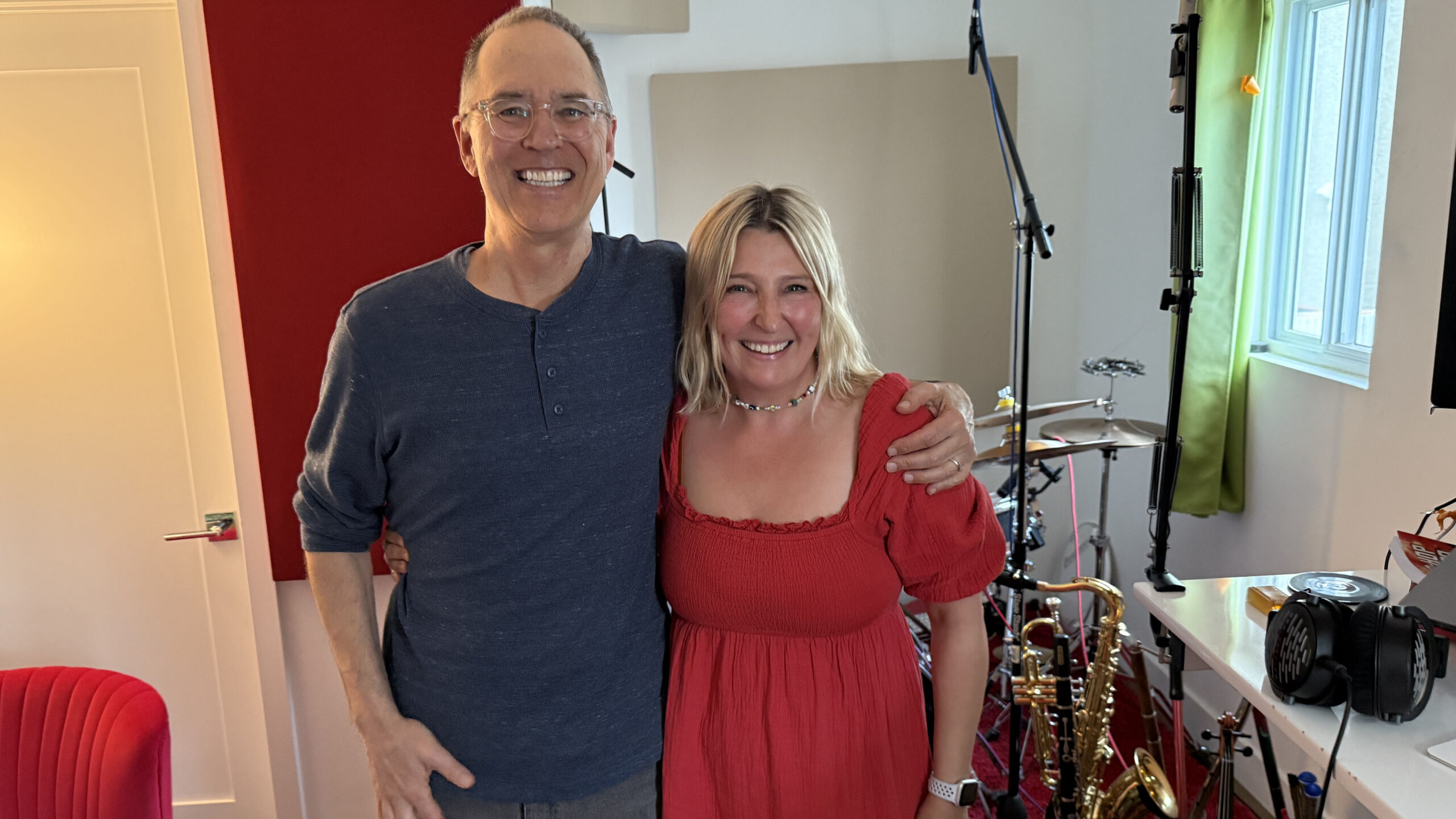
This Wipeout Weekly podcast episode transcript was abbreviated to a blog post format by my good friend Chad (ChatGPT). It makes me sound waaaay more eloquent. You will find the full transcript below it. Host: Zuz Wilson | Guest: Noah Evslin
Zuz: Welcome to The Wipeout Weekly, the daily podcast for beginners, wannabe surfers, and seasoned wipeout enthusiasts. No hype. No filler. Just the highs, lows, and honest truth about learning to surf and finding your place in surf culture. I’m your host, Zuz Wilson. Let’s go out.
Zuz: You grew up in Hawaii. You were born there, right?
Noah: Yeah, I’m originally from Hawaii. My parents moved to Kauai when I was a toddler, and I spent most of my life there. Then I moved away for school, worked as a music producer and DJ for a while, and later moved to LA for 15 years to work in film and TV. Now I’m back in Hawaii.
Zuz: Do you remember your first time surfing?
Noah: Not really—I was a kid. In the late ’70s and early ’80s, surfing was what everyone did. There wasn’t much else besides the ocean. I think I was about 10 when I first got on a surfboard. Before that, it was all boogie boarding.
Zuz: So were you surfing every day?
Noah: When we could. I played a lot of soccer and tennis, too. We’d spend hours between the tennis courts and the beach. We even sold coconuts to tourists for lunch money—three bucks a coconut, even though they were just lying on the ground.
Zuz: What kind of boards were you surfing back then?
Noah: Everything was handmade. No pop-outs, no machine-shaped boards. I had a Local Motion board, maybe a Town & Country at some point. Boards were one-offs. You hoped it worked. We didn’t longboard—we went straight from boogie board to shortboard.
Zuz: What size board were you riding?
Noah: My shortboard in high school was around 6’4″, sometimes a 6’6″. Back then, a lot of boards were thin, narrow, and had a ton of rocker—designed like elf shoes. Hard to surf unless you were Kelly Slater.
Zuz: And you stopped surfing for a long time, right?
Noah: Yeah, in my early 20s, I had a bad sunstroke paddling on the Wailua River. I blacked out, fell in, and after that, I’d get panic attacks in the water. I’d feel super thirsty and trapped. I quit surfing for 15 years, maybe more.
Zuz: What brought you back?
Noah: COVID. We moved back to Kauai and I thought, I can’t live in Hawaii and not surf. I started on a foamie, then a longboard, then slowly worked my way back to shortboards. Now I surf four times a week.
Zuz: Do you longboard or shortboard now?
Noah: Mostly shortboards. I went through every size from 9’6″ to a 5’6″. I was curious about design, twin fins, mids, everything. Marketplace was my best friend. I’d try a board, sell it, try something else. Now I’m mostly on a 5’6″ twin.
Zuz: So… that Threads post. You said most people only surf for 60–90 seconds in a 90-minute session?
Noah: Yeah. I said most of us catch maybe 10 waves per session. Each wave lasts 3–15 seconds. That’s a couple minutes of actual riding time. People lost their minds.
Zuz: And you stand by that?
Noah: 100%. Unless you’re surfing empty, perfect waves somewhere remote, like Northern Oregon or Skeleton Bay, you’re not getting 50 waves a session. Most sessions? You’re lucky with 20.
Zuz: Ever had a day where you caught nothing?
Noah: Maybe one or two waves, but never zero. Even on bad days, you get something. On the really crowded days, you fight for your spot and eventually the ocean rewards you. Worst case, you paddle in. But you usually get at least a few.
Zuz: That’s reassuring. So when you’re not surfing, what are you up to?
Noah: Writing for TV, mostly. I’ve worked on NCIS: Hawai’i and Rescue: HI-Surf. I’m big on representing real Hawaii—like proper okina use, no shoes in the house, and accurate local culture. Not that generic paradise stuff.
Zuz: Did you work on every single show filmed in Hawaii? Because that’s what your IMDb looks like—Hawaii Five-0, NCIS: Hawai’i, Rescue: HI-Surf…
Noah: Not quite! I was up for Doogie Kamealoha and Magnum P.I., but didn’t get those. There are only a handful of working TV writers from Hawaii—maybe six or seven of us. A few live in LA, some are based here. A bunch of us surf together and talk stories and scripts in the lineup.
Zuz: And Hawaii Five-0 was your first big Hawaii-related show?
Noah: Yep. But the writers’ room was actually in LA, not Hawaii. I was the only writer from Hawaii. That show had been running for 10 years without a local writer! So I became the unofficial fact-checker.
Zuz: I’ve been rewatching NCIS: Hawai’i, and it just feels more grounded in Hawaiian culture than Five-0.
Noah: That’s intentional. NCIS: Hawai’i brought on Hawaii-based writers from day one. I wrote the paniolo episode—about Hawaiian cowboys—which was fun. Funny thing is, the last episode I wrote for Five-0 was also about paniolos.
Zuz: A signature theme!
Noah: Haha, apparently. But yeah, NCIS: Hawai’i had Hawaiian cultural advisors and writers from the islands. One of our showrunners, Matt Bosack, even learned ‘ōlelo Hawai’i. He’s why we used the correct okina in “Hawai’i.”
Zuz: It’s small, but powerful.
Noah: It matters. Even things like characters taking off their shoes indoors—basic, everyday stuff for locals—weren’t shown before. It’s about showing respect.
Zuz: What about pidgin or Hawaiian in the scripts? How do you decide what makes it in?
Noah: Each writer handles their own script, but we review every draft. If something feels off or overdone, we flag it. Pidgin has to be used carefully—it can confuse audiences. And with Hawaiian, we make sure words are authentic and culturally appropriate.
Zuz: I noticed Rescue: HI-Surf took things even further.
Noah: Totally. That show had more Native Hawaiian crew and writers. Our showrunner, Matt Kester, is from here. We tried hard to get it right, and we had cultural consultants helping every step of the way.
Zuz: And the debates?
Noah: Oh yeah—like how to spell Molokai. With or without the okina? Even locals disagreed! It’s a balancing act. We just try to show Hawaii with respect, complexity, and care.
Zuz: Thanks for all the work you’re doing to tell Hawaii’s stories the right way.
Noah: Appreciate that. Just trying to be a small part of something bigger.
Zuz: Where can people find you?
Noah: Instagram @noahevslin.
Zuz: Last question—do you think about storylines when you’re out surfing?
Noah: All the time. It’s the best place to think. No phone, no distractions. Just me and my thoughts. Sometimes I come up with whole scenes out in the lineup. I just hope I remember them by the time I paddle in.
Zuz: Honestly, same. Surfing is creative clarity.
Noah: Totally. It’s where I get unstuck. Surfing clears space in my head that I didn’t even know was clogged.
Zuz: That’s all for today. Check out The Wipeout Weekly newsletter for more stories and ways to connect. Thanks for listening—and we’ll see you tomorrow.
ffFull transcript— please forgive our mistakes.
(0:00 – 0:11)
Four times a week, I’m in the water at dawn until like eight o’clock or nine o’clock. So I’m surfing for two and a half hours in the morning and there’s no phones. There’s no distractions.
(0:11 – 0:40)
And, you know, I’m surfing and often if I’m working through a story, I will be thinking about the story and the water on the lineup because what else you can chat with your neighbor for a little while, but basically you’re, you’re subject to your own thoughts.
Welcome to the Wipeout Weekly, the daily podcast for beginners, wannabe surfers, and seasoned Wipeout enthusiasts. No hype, no filler, just the highs, lows, and honest truth about learning to surf and finding your place in surf culture.
(0:41 – 0:47)
I’m your host, Zuz Wilson. Let’s go out.
And you grew up in Hawaii.
(0:47 – 1:11)
You were, you were born in Hawaii, right? Yeah, I’m from, originally from Hawaii. And, um, the, my parents came when I was a baby, actually, a toddler. And the, um, the, I spent my entire life on the Island of Kauai and, um, then moved away for a little while, college, graduate school, moved back for 10 years.
(1:11 – 1:39)
Um, was a Hawaiian music event, uh, live music promoter and producer and a DJ music, like, and a little record label did that for, um, almost a decade and then moved to LA for 15 years to work in the film and TV industry and then moved back to Hawaii and I’m currently back. When was the first time you surfed? Oh, since I was a kid. I don’t, I don’t even remember.
(1:40 – 2:03)
We were, we were children. Uh, you know, I grew up on the Island of Kauai in the late seventies, early eighties, there was not a lot of other things to do besides the ocean. So, uh, I was, I was actually always surprised when growing up that there were people who didn’t surf or at least fish or dive or, you know, there was, uh, the Island had limited.
(2:04 – 2:31)
Uh, there was no screens and admittedly you, you, you played a few sports we had or, or, or you, you surfed or you did some of the ocean. So yeah, I can’t remember the first time I surfed like on a body board or a boogie board, I think I was probably 10 when I got on a surfboard for the first time. Um, and then my friends switched over, I switched over and we sort of had a little obsession from there from then on up.
(2:32 – 2:47)
So did you surf every day, like after school or before school? I mean, when we could, I, when I’m growing up, I played soccer, tennis. Um, and so we surfed when we could with the same people. So we’d have soccer practice Monday, Wednesday, Friday, I played a lot of tennis, like actually got dropped off.
(2:47 – 3:03)
There was these tennis courts, um, in a hotel called Cocoa Palms, which we had, we had a massive hurricane, uh, in the nineties, early nineties that destroyed the hotel, uh, and it never got rebuilt. In fact, it’s still a wreck. It never got destroyed or rebuilt.
(3:03 – 3:23)
So it was, it was, uh, there was insurance issues for like 30 years. It just sat there as like a, you know, the ruins of a once beautiful hotel that had been in movies, uh, Elvis is blue Hawaii was filmed there. There was like 12 or 14 tennis courts and then, or not 12, there was 10 tennis courts playing a lot of tennis.
(3:23 – 3:49)
And then we’d actually, it was right across from the beach. So we would just spend our days between tennis and the beach and surfing and going back and trying to sell, uh, there was a hotel, so we would sell coconuts to tourists for a few dollars to get lunch money and, uh, and ironically, the, uh, the coconuts were like on the ground, so they could have picked them up, but, um, they felt better paying us for them. And part of our service was we’d open them that they didn’t know how to do.
(3:50 – 4:00)
So that was thrilling. And, uh, for them and we got $3 to get something from 7-11, which made us happy. And then we’d go either surfing again and, or play tennis.
(4:00 – 4:22)
So that, that was, that was a lot of my non-school childhood. That sounds pretty cool to me. Do you remember what board you were, um, you were surfing on at that time? There was, um, a couple of boards that were, um, you know, circling around that were, you know, I had a local motion board was one of my earliest boards.
(4:22 – 4:33)
Now, remember this was 1986. Uh, so there, there were no pop-outs. There were no machine done surfboards.
(4:33 – 4:56)
Everything was handmade. We would go, there was about three or four stores on Kauai that sold surfboards, which is actually not, I think it was not that many considering how many people actually, a lot of people surfed there. They obviously famously the Iron, Irons brothers are from there and Kauai has a lot of professional surfers cause we had a, um, a lot of really good surf breaks where they could practice a lot.
(4:56 – 5:23)
I was obviously never at that level, but the, uh, so I got, I, my first board might’ve been this sort of local motion board that I loved. Um, and then when there, maybe it was a town and country board early on in those days, uh, my friend had like an ace in a hole board that was, uh, there was some, you know, Hamilton boards, certainly around Dick Brewer was, was shaping in Hawaii. So those were sort of, uh, harder to find or more expensive, but they were well liked.
(5:24 – 5:41)
Uh, there was, um, was it bingo? Was I trying to think of the name of the brand that was shaping boards, uh, there for a while, but every board you, you had was a one-off, you hopefully it worked well for you. You couldn’t try it. You, I mean, even now you don’t can’t really try it, but you kind of have a sense.
(5:41 – 5:49)
There was no volume or leaders. So you just, the boards were a little bit bigger than what we surf now. Uh, we didn’t long board.
(5:49 – 6:09)
We went straight from a boogie board to a short board and there was no mid lengths or in between surfing. It was just like, go. So what was it like six feet? My earliest boards were probably a little smaller cause I was a kid, but really quickly, my size was like a six, four was my short board.
(6:09 – 6:26)
And then there was a time where I went to a six, six. This is when I’m getting into high school. The boards back then, I think they joke about them now that it was, um, um, Kelly Slater had kind of changed the game for surfboards maybe in a no disrespect to Kelly, but not in the best way.
(6:26 – 6:36)
Cause only Kelly can serve Kelly’s boards. So they were called elf shoes. They were, uh, they were the shape of the, in retrospect, the shape of the circle, it’s had a lot of rocker.
(6:36 – 6:44)
They were really, really skinny. Uh, and they were really thin. And so they actually became more and more difficult to serve.
(6:44 – 6:56)
And we didn’t realize that we just wanted what Kelly was serving. So it was like, they just, they’re not, they’re designed for pipeline and waves that most of us aren’t surfing on a daily basis. So, uh, from.
(6:57 – 7:13)
I surfed until I was, um, in my early twenties and we could talk, I actually had been ran into a phobia, which stopped my surfing for a while. Uh, and then I took a 15 year break, never thinking I’d surf again. And then I got back into it.
(7:14 – 7:43)
15 year break. So what, what happened? Was it an accident in the water or? Yeah, no, I was, um, uh, well during the time of DJ, I was like running these, uh, doing live music events and also, uh, DJing as a DJ, I’m a DJ. Um, in fact, if you look right to my left, that’s a, this is a podcast, but I have a little controller right to my left that I mess around with when I’m not doing other things.
(7:44 – 8:03)
Um, the, the, let’s see. So I was working nights, you know, young twenties, you know, drinking, not, not, not taking the best care of myself. And, uh, I, my brother, one of my brothers, my brothers, my younger brother, I have two brothers, uh, is a canoe builder.
(8:04 – 8:15)
He builds outrigger canoes, uh, one man canoes. And, uh, we, his company hadn’t been created yet, but our whole family was into paddling. And my other brother asked if I would go paddling with him.
(8:16 – 8:42)
So after like working and lots of, you know, three days of just like late nights and whatever, I ended up on the Wailua river with my brother, which is one of the few navigable rivers in Hawaii where boats can go on, uh, maybe the only one, and it’s on Kauai. And so it’s about a few miles of paddling up a river to a waterfall and then back. And I was dehydrated and it was the middle of the day and I didn’t know it.
(8:42 – 9:04)
And so I got sunstroke in the middle of the, uh, paddle and I, we had, this was back before you had, everyone had, uh, you know, hydro flask or, you know, a Yeti with you to keep you hydrated or any kind of water bottle. And I, uh, I, I sort of blacked out and fell off the boat and, and into the water. Oh my God.
(9:05 – 9:15)
Like a tour boat, a tour kayak, kayak tour was going by me and they pulled me out. And, um, I wasn’t, I mean, my brother was right there too. So I don’t think I was in danger of drowning.
(9:15 – 9:24)
I just, I just do it for a second. I just black, I think I actually, the impact of the water like cooled, I was overheating. So I didn’t realize that.
(9:25 – 9:59)
And I, um, I hit the water, I cooled off and then they had, uh, like some sodas in there, you know, like juices, like the Aloha maids full of sugar, uh, uh, juice slash soda that I, they gave me to drink and I drank it and I felt a little better and I, and, and they helped me get back. I was like shaking and I went back and I, and I was just like kind of out of it for the rest of the day, just dehydration, sunstroke, normal, not necessarily scary thing to happen, but I was in the water when it happened. And then for a while after that, every time I’d go surfing, I tried to keep surfing.
(10:00 – 10:16)
I’d get this panicky feeling in the water that I was really thirsty and I couldn’t find water and I’d get a little panic attack. And if I was the further out I was, the worse it was. So it was, I get these panic attacks and it just wasn’t worth jumping in the water for me to surf if it just kept happening.
(10:16 – 10:34)
And so, and I, then I was living in LA and it didn’t really matter because I wasn’t surfing as much in LA, nor did I care to, it was cold. And, uh, and the, uh, the, no disrespect to LA, just not, you know, the, the, um, wetsuits and everything. It’s just more than I had to do growing up.
(10:35 – 10:57)
And the, um, the, the didn’t surf that, I wasn’t that interested in, especially cause I had the phobia, but I watched, I kept up with professional surfing. I love watching surfing. I was the only sport I’d followed religiously, especially when it went to you know, online streaming, we could watch all the WSL back then, the CT contest, loved Kelly Slater.
(10:57 – 11:04)
I love the people, Rob, Michelle, the people I grew up watching surfing. Some of them were still professionally surfing. Andy, Andy obviously passed away.
(11:04 – 11:24)
And he went from Kauai, Hawaii, John, John Florence, uh, more recently. And then in COVID, I went back to, uh, we moved back to Kauai and, um, I’m like, I’m not going to live in Hawaii and not surf. And I just forced myself to go back in the water, but it had been, I say 15 years.
(11:24 – 11:41)
It actually had been maybe 20 years by then, or between 15 and 20 years. And I thought it would be like riding a bike. It really wasn’t like, I had to go back to like a foam board, just, just re familiarize myself with everything.
(11:41 – 11:57)
It was a quick progression from a foam board to a long board to, you know, now I surf really small short boards again, but it was like, uh, a journey of like just surfing, getting over that phobia. Now I keep water in my car. I don’t need it, but I will drink water before and I’m okay.
(11:57 – 12:11)
I can surf for three hours or however long I want to. And I think in the last four to five years of my life, four years of my life or so surfing has become an obsession of like, I just want to do it every day. I want to, I look at boards all the time.
(12:11 – 12:27)
My friends will say like, I look at boards, like other men look at women. Follow it with my eyes just to see what they’re surfing. And like, you know, I just love the different pop board designs that have obviously changed and progressed so much since I was surfing on those sort of Elf shoe boards way back when.
(12:28 – 12:41)
Do you surf, did I read, read it correctly? Do you surf White Plains? I sometimes, I mean, White Plains is my closest break to me. So I surf the North Shore, I surf wherever. I was just up at Lonnie’s two days ago.
(12:41 – 12:54)
Like I live in Eva beach. So that’s White Plains on Oahu is, uh, anywhere from a beginner to, I wouldn’t say an advanced wave. It’s just, it’s just, it changes with the conditions.
(12:54 – 13:01)
It’s really, really good for long boarding. It’s really good. There’s a short boarding sort of peaks that if it’s big enough, it’s good for that.
(13:02 – 13:07)
So White Plains is 12 minutes away. It’s easy for me to get to. In fact, I checked it today and it was just super windy.
(13:07 – 13:22)
Really? It was really good yesterday. Um, there’s a few other spots, Howbush, our country on our side, and then traveling to get the West side. And there’s like tracks and, um, Ma’ili and Makaha and some famous, and then obviously the North Shore is 40 minutes away.
(13:22 – 13:48)
So anywhere from, you know, I don’t surf Pipeline, Sunset, Waimea, those are out of my league for this part, but you know, Lonnie’s or, uh, Haleiwa, there’s some fun spots up there as well. Do you ever go to Pipeline just to have a look? I was just there. In fact, uh, I surfed Lonnie’s two days ago, but my good friend wanted to surf the Ehukai sandbar, which was right next, adjacent to Pipeline.
(13:48 – 14:01)
So you’re in the same parking lot. So this was the first day where actually it was, Pipeline wasn’t fully breaking what the way it normally breaks, where there’s 500 guys in the water. It was breaking small.
(14:01 – 14:09)
It was small. Ehukai was a little bigger. And I was like, Ooh, today might be a good day to actually go try Pipeline, but it, we ended up going somewhere else.
(14:10 – 14:19)
So is it truly as busy as I can see it on the, on the video? When it’s breaking, it is. I mean, I mean, it’s always been busy. Surf line.
(14:19 – 14:40)
I’m not, I like surf line. We use it, I like being able to see the cams as well, but the ability now to like see the spot before you get there is, makes it more crowded, especially during the season of the surf, the surf tour. You know, during the winter, it’s all of the professionals are trying to get waves.
(14:41 – 15:03)
All of the amateurs who are trying to become professionals, all of the locals who’ve surfed there forever, and then all of the tourists who hear about Pipeline and want to experience it, some of which should have no business being out there at all because it’s, you know, it’s, it breaks over a shallow reef, so. Yeah. So did you switch now? Because you said that you had, you had a shortboard when you were growing up.
(15:04 – 15:25)
So do you surf on a longboard now or do you still shortboard? So I went back and I, um, I was, so when I came to, um, Oahu, I bought a longboard. This was four years ago. I bought a, uh, my first new board in a while had been, was a Takayama beach break.
(15:25 – 15:29)
Uh, in fact, I just put it up for sale. I just have it. I have it still.
(15:30 – 15:39)
And, uh, nine, six, and I was surfing it on in the windward side of a while. We lived in Kailua at the time. So there was, uh, you know, some surf spots on that side that I would surf.
(15:39 – 15:47)
Uh, right. Take my bike ride down to Kailua beach, find a surf spot with my, uh, longboard. You know, I don’t, I’m a TV writer.
(15:47 – 16:11)
So in between working on the show I was working on, which was a lot of it to go for zoom, but have an hour or two, I could surf is like five minute bike ride and I’d come back and I, or I’d surf really early in the morning, come back, do my work and that’s still today. And that’s what I do, but I don’t live in Kailua. And then the, the, uh, but I, and I had longboarded a little bit around the time where I had that phobia.
(16:11 – 16:15)
I was like getting into longboarding. I enjoyed longboarding. It was a challenge.
(16:15 – 16:34)
It wasn’t something I, you know, again, the shortboards had changed, so they weren’t as fun and the longboard was that hasn’t changed. I mean, it has a little bit, but for the most part, the longboards have been longboards for the last, uh, you know, however long, 50, 60 years. So the, the, uh, I had the, and Donald Takayama is obviously a famous shaper.
(16:34 – 16:39)
He’s passed away from Hawaii and then California. And he still makes a lot of boards. So I had a beach break.
(16:39 – 16:53)
I liked that board. I then, um, started to realize that I liked, um, I wanted to go, you know, I, I was curious if I could shortboard again. So I jumped on a shortboard.
(16:54 – 17:31)
I, if I, if I got up on it, I was fine. Cause I knew how to shortboard as a kid, but it was the paddling that pop up every, when you’re, you know, uh, I’m in my forties, late forties, it’s not, uh, your body’s not reacting as quickly as it used to, so you’re making adjustments. So I then did what most people do, which was a progression of boards that I’d buy and sell, thank God for Facebook marketplace, where I went, I went from a nine, six down to, I really liked the Harley Engleby mow line, which was a really good transition board for a mid length served all different sizes, mid lengths.
(17:32 – 17:51)
Um, and, and then I found myself slowly progressing from the seven foot range down to the six foot range, like the high sixes, different boards. Um, even though the Harley Engleby was making their mow in what they called the mini mow, which was in the six foot range. I had some fish, like longer fish boards.
(17:51 – 17:59)
I had some twin fins. I love twin fins in the six foot range. And then, uh, slowly, but surely I got sub six feet.
(17:59 – 18:22)
Uh, and now the board I’m writing the most often is five, six. You’ve caused quite a stir on threads with your comment about surfing and what was it, let me just read it here. Yeah, you might catch 10 waves and each wave is about three to 15 seconds for an average of about 60 seconds in a 90 minute session.
(18:22 – 18:34)
And people disagreed. Yes. There were some people, well, some people, not a lot of people, but there was a couple of people who were claiming they were catching 50 waves that equaled 30 seconds to 60 seconds each and I called it bullshit.
(18:35 – 18:50)
I mean, it’s possible. Like, like I, and I was, and I, we use white planes as an example, because in that thread, cause that’s where I go the most often and white planes has breaks that go have peaks that are about 300 yards out. If you catch the furthest peak out, you might catch a wave for 30 seconds.
(18:50 – 19:05)
Like, and that’s a really long wave and there’s, you know, granted, I’m talking about Hawaii, the waves are faster. The waves are, you know, there are some peaks Malibu, you know, you might catch a Topanga, you might catch a long, slow wave. That’s a minute.
(19:05 – 19:12)
I will give that to you, but then you got to paddle out. There’s 50 to a hundred guys in the water. You got to find another one of those.
(19:12 – 19:27)
There’s no way you’re catching 30 to 50 waves at Malibu to Pangar, any of those spots. Right. So the only place that that’s actually happening is like some slow wave somewhere where there’s no people, which is basically a fantasy and somebody admitted that they, I think they were surfing.
(19:27 – 19:51)
Like, like when they said this, like somewhere in like Northern Oregon, and I’m like, maybe in Northern Oregon, when there’s the water, there’s nobody out in the water that that could happen. And my point wasn’t to make people argue about the time in which we’re in a wave. It’s just our addiction to something where the reward is so small that we spend two to three hours in the water.
(19:51 – 20:05)
And, you know, I was having a pretty good session yesterday and I was catching about 10 waves an hour for two hours. I got 20 waves, the waves were five seconds to 20 seconds long. And again, that was a good session.
(20:05 – 20:12)
So maybe a couple of minutes of actual surfing time. And I was very happy. That was a good day.
(20:13 – 20:21)
And I’m just like, that’s not, that’s not the norm. And that’s not the norm. And I, and for me, but it’s not the norm for even the long borders out there who are catching long waves.
(20:21 – 20:30)
Just count it. One, two, three, one, two, you know, maybe the 10 seconds. And even if they’re connecting to the inside.
(20:30 – 20:55)
So I don’t know why that, and that guy finally admitted, he’s like, yeah, I’m in this random place and maybe on the best days I catch 50 waves. And I’m like, I still don’t think you catch 50 waves because you can track. And I don’t know, you know, like the surfers listening to this podcast, are you catching 50 waves for 30 seconds to a minute each? Like you could feel free to respond, like, like answer that question, reach out, you know, if there’s a way to reach out for this podcast, let us know.
(20:55 – 21:21)
And if I, if regularly people are doing that and I’m just was, you know, in my own head, I’ll admit I was wrong, but I’m pretty well versed in the world of surfing. So I feel like it would have to be some magical wave in Oregon for it, for this to be even possible, look at Skeleton Bay, which was as famous, I think some of those long waves, long, long waves were like 60 seconds, but those are like, they’re documented as super long waves. Like it’s like an incredible three miles down the beach.
(21:21 – 21:36)
They get off, they hike back, they catch maybe three waves in the entire day of this, you know, four mile hike back up the beach. So yeah, I’m not, I just, the thing about social media is people have lots of opinions. They certainly do.
(21:36 – 22:28)
I want to ask you, I mean, this is not a realistic question because I don’t think this would happen, but since like you have overcome your phobia and you started surfing, was there ever a day when you didn’t catch anything? No, no, I worry about that. Like there has been days where I’ve caught one or two waves, maybe that’s the least. There was a couple of days recently, because again, Hawaii can get really crowded.
So if like you’re surfing on the weekend and there’s 50, 100 people in the water and then you’re in the water for 30 minutes, you’re like, I haven’t caught a wave yet. And you’re trying to find a peak, but you always sort of like, you put in the time, the universe and the waves reward you, you’ll finally get your wave and then you’ll get a few waves. And it’s like, you know, on a bad session, I’m probably catching five to six waves, which is just like, but that’s just sort of competing and finding, trying to find it.
(22:28 – 23:02)
Most times it’s sort of over 10 waves and you’re just looking for it. But no, I don’t, I can’t, there’s never been a time, even on like on all sort of bad days, just to get some exercise. And often on those days you’re catching more waves because there’s less people in the water.
So it’s just, I don’t think I’ve ever had to paddle out. Every now and then you do the paddle of shame in where it’s like you, you need to come in and you’re waiting for that last wave and that last wave doesn’t come and you’re looking at your watch and I have a meeting or I, as you know, I record a different podcast, I got to do a, record a podcast or get home. My wife needs me, kids need me.
(23:02 – 23:41)
And I’m like, oh, all right, I’m going to just paddle my way in. But even then something will pick you up eventually and take you in, I hope so. Did you work on every single show that was filmed in Hawaii? Because that’s how, you know, I look at your IMDb and basically that’s how it reads because it’s Hawaii 5.0, is it 5.0? No.
What do you call it? 5.0, 5.0, 5.0 and then CIS Hawaii and Rescue High Surf. Every single show? No, that’s not every single show. There have been, in fact, I was up for Doogie Kami Aloha and Magnum P.I., which would have really helped me be on it.
(23:41 – 24:00)
But most of the shows did not get either. But there’s only six, maybe six or seven Hawaii, people from Hawaii that work in Hollywood. And by that, I mean who are like steady working TV writers or so.
(24:00 – 24:26)
And there’s a few who are aspiring and who will get there. And there’s a few people who are originally from Hawaii and live in L.A. like I did for a while. Some have no interest in coming back, have really made their identity not in Hawaii.
And then there’s a few of us who live here and more than a few, but less than 10, who we regularly hang out. Most of them surf. A lot of times we’ll go surfing together.
(24:26 – 25:07)
We talk about surfing. We talk about scripts and the water. So I work most recently on someone named Matt Kester’s show, who is from here and he surfs.
He’s a better surfer than I am. Did his work, did a show about, you know, big rescues in Hawaii, surf rescues, lifeguards. And I but I’ve kind of at some point I was like, you know, in L.A. it’s easy for your reps if you pick a lane and you’re like, I’m going to be the guy that does this thing really well and that if they need someone to do this thing, then they’re going to compile a list and I want to make sure I’m on that list.
So the thing that I do is Hawaii stuff. I’m from Hawaii. It’s what I know best.
(25:08 – 25:40)
But that didn’t start. And I moved to Hollywood in 2000, the end of 2007, beginning of 2008 to do Hawaii stuff like I saw. I was from Kauai where there’s a lot of things being filmed and nothing was ever being filmed.
Hawaii as Hawaii. It was always like Hawaii as something else. And like Jurassic Park, Hawaii as, you know, Pirates of the Caribbean, Hawaii as the Caribbean, Fast and the Furious, Hawaii as somewhere else, Lost, which was such an iconic show and another show I didn’t work on, but I wish I did.
(25:42 – 25:53)
I wasn’t even working back then in the industry. Lost was one of the reasons I wanted to be a TV writer. Oh, and you just, by the way, someone in common from Lost, a friend in common.
(25:53 – 26:25)
But the the what I what I what I frustrated me, but inspired me was Lost. And it inspired me because it was the first time I realized that somebody. That there was a job, the TV, right, that people wrote television shows, you just don’t think about it, they’re not they’re not famous like the actors or the directors, so that you don’t.
And even today, people go, so do you write their dialogue? Like, what do you do? And you’re like, no, we write everything. We write every move that you see on the TV, every prop, every action sequence. Everything is written on the page before they do it.
(26:25 – 26:40)
It’s not just us giving the actors figuring it out with the director and we put the dialogue in their mouth. There’s a lot more to that. But Damon Lindelof and Carlton Cuse and later on, I got to work for Carlton on a different show, created this iconic show set in Hawaii.
(26:40 – 26:46)
And but it wasn’t about Hawaii. So I was like, where is our show? It was about Hawaii. I love Lost.
(26:46 – 26:53)
I want to work on Lost. I want to write a show like Lost. But why aren’t more people sort of writing Hawaii for Hawaii? And there’s a lot of reasons for that.
(26:53 – 27:10)
But anyways, I came to Hollywood to learn how to do it. And then eventually, to answer your question, I worked on a bunch of shows that were not that were not Hawaii related. And then eventually it was like, I want to get back to my roots.
(27:10 – 27:26)
And strangely, if you look at my credits, Hawaii Five-0 was the first one I did. Although the show was shot in Hawaii, the writers were in L.A. So yeah, so our writers room was at Paramount. So I was the only writer from Hawaii in a writer’s room of 12 people.
(27:26 – 27:33)
So they would call me like, look at me for Hawaii related facts. But the show had already been on for 10 years. I was on the 10th season of the show.
(27:34 – 27:46)
So it had been running without a Hawaii writer. There was a couple Hawaii adjacent writers who worked on the show in between. But I was really I think I was the first writer who was actually from Hawaii who who worked on the show.
(27:46 – 28:08)
And then the show ended. And then since then, I’ve picked up mostly Hawaii related, mostly because I also live here now. I go back to L.A. to work often, but I live in Hawaii and they, you know, after, you know, the fear is that now I might only do like they might be digital so that people only want me for Hawaii shows.
(28:08 – 28:34)
I know I am available for other shows, but I enjoy I love Hawaii. I enjoy writing about Hawaii, thinking about Hawaii. I am now friends with my friends or at least colleagues with the majority of the crew in Hawaii who worked on across all these different shows.
So I work well with them. I’m often on set with them. And I and right now it’s this unprecedented sort of slowdown across Hollywood, but also in Hawaii for different reasons.
(28:34 – 29:02)
And most of that crew is unemployed. So it’s just about how do we get more work to Hawaii? And that’s where my focus is. So you mentioned Hawaii Five-O, no Hawaiian writers until the what is the season 10? And that shows because I’ve just been rewatching NCIS Hawaii, and I thought how different these shows are in terms of how they depict Hawaiian culture.
(29:03 – 29:20)
So I wanted to ask you the first few episodes of NCIS Hawaii. I had this feeling that I don’t know if it was on purpose, but every single time like a piece of a Hawaiian culture was was covered in a sense. So you had, you know, had Waikiki Beach on surface.
(29:20 – 29:24)
Then you had Paniolo’s Hawaiian Cowboys. That was my episode. Yeah.
(29:24 – 29:31)
Here you go. That was a great episode, which is weird, by the way. And I will say this because not not weird that it was in there.
(29:31 – 29:41)
And I’m really proud of that. That’s still one of my favorite episodes of NCIS Hawaii that I was involved with. But the the last episode of Hawaii Five-O I wrote was about Hawaiian cowboys.
(29:41 – 29:53)
Now on Hawaii Five-O, we had to pitch a concept. And if our pitch sort of resonated with the showrunners, it turned into an episode. So you had to pitch for your life, really.
(29:53 – 30:07)
Like if you didn’t pitch an episode they liked, you didn’t have an episode. So and on a show that’s gone a hundred, hundreds of like over like 200 episodes by the time I got there, it was really hard to find something they hadn’t already done. So I pitched this, you know, two things.
(30:07 – 30:15)
One about a koa wood tree that gets stolen. And another story about missing gold and a paniolo in a paniolo ranch. And that one became an episode.
(30:15 – 30:33)
And then in NCIS Hawaii was the reverse. You everyone pitched and they took the ideas they liked and then they assigned them to writers, most often not the writer who pitched it. And the reason they did that is they wanted to give ownership to every they just wanted everyone to be sort of equally involved in the process.
(30:33 – 30:46)
And it wasn’t like your idea had to be, you know, they wanted you to be excited about everybody’s idea all the time. But I think was the logic behind that. So I didn’t come up with the NCIS Hawaii paniolo just basic idea.
(30:46 – 31:04)
But it was I was sort of charged writing it. And I ended up really loving that episode and still still, you know, the famous gif of tenant Vanessa Lachey on her horse saying, you know, you can still see that when you Google. And it was shot really well.
(31:04 – 31:13)
We have a really great we had a really great crew, but it was somebody else’s idea. And I’m telling them, you know, I just for the record. And, you know, I can do more than paniolos in Hawaii.
(31:13 – 31:37)
Like just because I don’t want to be known for the guy that always has an episode about Hawaiian cowboys, even though I’m really I really like that period of time in Hawaiian history. But yeah, shout out to and the difference on that show is I’m not saying that I made the difference, but they had someone from Hawaii from the very first second that show was we were brought on. That show went straight to series.
So there was no pilot. It was the moment that first script written. They got their staff.
(31:38 – 31:45)
We were we were with them when they were casting it. They were with them when they were shooting the pilot. We were with them when they, you know, saw all those early decisions.
(31:45 – 31:55)
And there’s a writer, one of the showrunners named Matt Bosak, who who had some Hawaii experience. And also he lives in Hawaii now as well. He stayed here.
(31:55 – 32:08)
And the the he was really he was taking Olelo Hawaii. He was really interested in the Hawaiian culture. He is the reason why there’s the Okina in NCIS.
(32:08 – 32:20)
If you look at Hawaii five. Oh, yeah. It’s H.A.W.A.I.I. five dash.
Oh, NCIS. Hawaii has NCIS call in Hawaii. H.A.W.A.I.I. Okina, which is a Hawaiian letter.
(32:20 – 32:31)
I, which is the actual correct way to spell Hawaii. It’s a real pain in the ass because there’s no it’s really hard to do it on your keyboard. There’s no Okina is actually a backward six, which doesn’t really exist.
(32:31 – 32:35)
You got to find it in the Hawaiian keyboard. Doesn’t exist on your normal keyboards. It’s not as hard to type.
(32:36 – 32:44)
And therefore, people will skip it often in even in Hawaii. In the past, Okina’s really weren’t as prevalent as they are today. You’ll start to see them.
(32:44 – 32:59)
And they changed all the signs to add them because it’s important. It’s not it’s it helps us understand where there’s a guttural stop in the in the in the actual language. But so Matt was really interested in the that level of authenticity.
(32:59 – 33:41)
And so it was helpful because they actually then would look the other him and the other showrunners would actually ask real questions, want real answers. And we actually not only myself, but there was Hawaiian consult native Hawaiian Kanaka Maoli consultants on the show when we were doing some really sensitive cultural stuff to make sure that we you don’t want to accidentally offend people for something that because you stumbled into some hole that even, you know, passed my filter or passed other people’s filter. So there was always a level of care in the execution of Hawaii and NCIS, sorry, but if I vote to a certain degree, but NCIS Hawaii that hadn’t existed in shows before that.
(33:41 – 33:58)
And then that was even ratcheted up more in Rescue My Surf because Matt is from Matt Kester is actually from here. So it was like there is a increased level and there was more sort of native Hawaiians involved with the production. It just that was 90 percent local crew.
(33:58 – 34:18)
Um, only a few department heads were flown in. So it was, you know, every effort has been to increase the number of, you know, either native Hawaiians or Hawaii natives that are from on the production to add. Because again, you know, there is, you know, Hawaii is a mix is sort of a mixing pot of people, Japanese, Filipino, Chinese.
(34:18 – 34:32)
They all bring their cultural hundreds of years of history and the islands to the islands to make, you know, what Hawaii has. The modern Hawaii is today. So you want to make sure that you’re representing sort of the Kanaka Maoli version of Hawaii.
(34:32 – 34:58)
And then there’s the other cultural versions of Hawaii, and they all get mixed together in what has become sort of the more modern version of Hawaii. And there is, you know, stumbling blocks in all these different cultures, making sure that you’re you’re not you’re being careful to be celebrating these cultures and not insulting them, especially on shows that are crime shows where it’s so easy to make certain races the criminals. And you’ve got to be really careful.
(34:58 – 35:08)
And like, you don’t only want to show this this ethnicity as the bad guy. On the other hand, you don’t always want the bad guy to be whatever as well. So you’ve got to be in the end.
(35:08 – 35:26)
And the big argument is like some often the bad guy in an episode of NCS Hawaii or Hawaii Five-O is a really good role, but because it’s a meaty gig for the actor. And you want to make sure that you’re also not excluding people because you want them in the good roles. So it’s just the endless kind of discussions that happen.
(35:27 – 35:43)
I watch actually both NCS Hawaii and Rescue High Surf with subtitles. And I’ve noticed this more on NCS Hawaii that, you know, I can see the dialogue as it comes up. And there’s and there is a Hawaiian word just like bang in the middle.
(35:43 – 35:54)
And there’s a lot, a lot of Hawaiian words used in the dialogue. How do you decide which word is going to be in Hawaiian? Yeah, yeah, yeah. No.
(35:54 – 36:21)
And it’s not you know, it’s not doesn’t mean it’s just going through my filter because each writer is responsible for their script. So one of the things that I would do we were, you know, as the scripts are coming in, we’re all reading them and we read every draft. So if I if I spot something that’s inauthentic to the Hawaiian culture, even before it gets to our cultural, you know, the advisors, those people whose job it is, I will flag it.
(36:21 – 36:31)
And or I will say, hey, we might use this Hawaiian word. Often there’s a there for writers not from Hawaii. There might be a tendency to put too many Hawaiian words into something.
(36:32 – 36:41)
And I just those aren’t words that are in heavy usage here. And then obviously you got to be really careful because there’s a pidgin English in Hawaii. Yet heavy pidgin.
(36:42 – 37:03)
It would almost sound like another language to people who were viewers who are from, let’s just say Idaho or Middle America or even like Germany. They want to they wouldn’t understand what they’re they’re hearing. And so you have to kind of like route it back to a level that would actually so that sometimes if you get too heavy, the studio or the network will say, do we have to subtitle? I know you watch it with subtitles.
(37:03 – 37:22)
Most people do. But do we have to actually subtitle English on pidgin English because they want to understand what they’re saying? So it’s it. Each writer will try to put, you know, if there’s a character who would naturally speak Hawaiian or part Hawaiian in the scene, they’ll they’ll try to put some of that in or they’ll ask the, you know, the cultural advisor.
(37:23 – 37:38)
What is the language here to put in? You know, I tended to just write my own stuff and, you know, the pidgin stuff. And that was the stuff that tended to stay. And because it’s, you know, unique to what I my experience of growing up.
(37:38 – 37:47)
But everyone everyone’s approach was different. But I mean, that’s why there’s people from Hawaii on shows to help. Without that, it’s they don’t actually know where the lines are.
(37:47 – 38:20)
So it becomes harder to feel like they’re you know, they don’t they don’t actually know certain shows and which is which is always sort of it’s really easy to turn off the Hawaii natives as a whole group if you do a show about Hawaii and you don’t understand basic things about Hawaii. And so people I know myself include I’ll get asked to write something said in a different place and you do your best to write it. But if you’re not from that place, you don’t understand the things that you’re and you can go visit that place and be like, oh, I spent two to three weeks there.
(38:21 – 38:45)
I think I have an idea of what that place is all about. But the reality is you just so many different things. And Hawaii in particular has so many different things from all these different mixing cultures that you’re that certain things you do in Hawaii that you might not do anywhere else and that you see them portrayed like, for instance, like someone just wearing their shoes in the house on in Hawaii Five-O.
(38:45 – 39:00)
They sadly they would wear their shoes in the house. And in NCS Hawaii, one of my first things was it would be so rude to walk into someone’s house wearing shoes. So if we if we can all avoid it, let’s have everyone take off their shoes.
(39:00 – 39:15)
And it became an ongoing storyline for Jane Tennant that no one wore shoes in our house. So like that, you would see that didn’t take off their shoes. You know, when when LL Cool J, who plays, you know, his real name is Todd, came on the show.
(39:16 – 39:29)
He was like, Sam Hanna keeps his shoes on because Sam Hanna is always ready. And I you know, and we had a nice conversation about just in Jane Tennant’s house, you take off. Sam Hanna would know culturally he would take off his shoes.
(39:29 – 39:49)
And he was very open to that. So it was just like an interesting discussions about culture. And and, you know, and then people bringing their what their you know, their character that sometimes cross shows what they bring into the show and trying to always be like authentic, but honoring different characters and just a lot of that discussion.
(39:49 – 40:13)
And by the way, the crew, if you’re a writer on set, they’re very quick to tell you. You know, we had the biggest discussion, by the way, which might be I don’t know if it’s funny, but like over whether or not the island of Molokai has an okina. Is it Molokai or is it Molokai? I thought I thought it did have.
(40:13 – 40:28)
It does. And I can be corrected here, but Molokai in Hawaiian means like rough waters. Molokai with an okina means nothing.
(40:28 – 40:42)
So they actually think the original spelling of Molokai is without an okina. And then someone put it in at some point when we were kind of re and that the actual real way to do Molokai is without one. But the argument raged because we wanted to get it right.
(40:44 – 40:55)
And we had some we had some Molokai natives on our crew. And and even they were split. One was that it’s Molokai, the other one said no, it’s Molokai.
(40:55 – 41:03)
And we were like, this is why we don’t actually don’t know. And I can’t remember. I think we went through the cultural advisor, too.
(41:03 – 41:15)
And I think for official signs, we put Molokai because that’s what they’re doing. But for pronunciations, if they were local, we said Molokai. Now, again, like in I’m from Kauai, which is Kauai.
(41:16 – 41:25)
But growing up, they had dropped the okina. So if you’re from Kauai, you often will just say I’m from Kauai. But then.
(41:25 – 41:44)
You know, in the in the early 2000s, because it actually is Kauai, there was an adjustment. So sometimes even within the island itself, you’re the language. I’m not saying it’s fluid, but there’s been a really big emphasis on on getting things correct, going back to the original pronunciations.
(41:44 – 42:03)
Now, again, then we have people on Niihau, which is off the coast of Kauai, which has only native Hawaiians and Kanaka Maoli on the island. It was an island that was sort of purchased, private island. And it’s sort of been, you know, one way for a very long time.
(42:04 – 42:24)
And if you’re not Kanaka Maoli, you can’t live on that island. And they speak very different Olelo Hawaii than the native Hawaiian language than everyone else does. And it’s just because they were isolated, but also just their language.
(42:24 – 42:35)
The language has changed across the different islands a little bit. So and you see that with the cross-cultural Tahitians coming to Hawaii. That’s a lot of the language is very similar.
(42:35 – 42:51)
But it also has changed from Tahiti to Hawaii over the hundreds of years where they stopped going back and forth. So it just, you know, obviously language changes and everyone is just doing their best to do it right. So this is my way of apologizing to anybody if we’ve done it wrong.
(42:51 – 42:59)
It’s or you think we’ve done it wrong. It’s a very complicated. And one one Kauai consultant might say this and the other one might say this.
(43:00 – 43:11)
And you’re just trying to tell it, do a TV show where you’re now granted your audience is in the millions. And there are people who would be like, no, this is not how my family did it. And others would be like, oh, they finally did it right.
(43:11 – 43:31)
And so you’re just and we are often aware of those debates and just doing our best to navigate it to the middle. I try to learn some Hawaiian using Duolingo. But the one thing that just throws me is that usually if you learn like, I don’t know, French or German, the entire sentence is read by the same person.
(43:33 – 43:50)
Hawaiian, it’s like. It’s a word per person, like they don’t have anybody who can basically deliver the entire sentence in one go. Just sort of collected sounds from, I don’t know, from like language banks a lot.
(43:52 – 44:07)
I mean, those people exist, they should find them. There’s people who even actors now who kind of specialize in acting in Hawaii. So the but it’s again, it’s it’s it’s a it’s a language that’s coming back and it’s sort of resurging as a renaissance right now.
(44:07 – 44:18)
And I think, you know, we were studying it, too. My wife, my wife, my wife is part native Hawaiian, and she had never learned the language growing up. My kids are very small part, but part as well.
(44:18 – 44:37)
And, you know, so we were trying to learn. And growing up in the schools I went to, there was we learned they offered us French, Spanish, Japanese. So you didn’t know that when I was going to school, even there wasn’t even the opportunity to learn language.
(44:37 – 44:45)
So it’s it’s now very, very different. And it’s obviously it’s offered, it’s spoken, it’s in the airports. They say the announcements in English and then they follow it up.
(44:46 – 45:03)
And so I I think that’s a huge step forward for the, you know, just just just these islands in general. And hopefully it increases and more and more people learn and study. And, you know, I’m still just trying my best to learn more and study it because it wasn’t part of our childhood education.
(45:04 – 45:15)
I’m looking forward to hearing it more because I’m coming in July and I haven’t been for 10 years. So I’m wondering how much has changed. So let’s talk about Rescue High Surf.
(45:16 – 45:26)
Does this show have the most surfing ever of any TV shows done? Well, I mean, I would think so. There was there. Well, yes and no.
(45:26 – 45:50)
There’s the strangely enough, the showrunners on this show came off of Animal Kingdom, which was a TV show that was set in San Clemente or something that that also has a lot of surfing in it because it was a family of surfers who were also criminals. And then there is John from Cincinnati, which was a David Miltz show for HBO for one year about surfers. So there’s been two shows.
(45:51 – 45:59)
And then there was North Shore brief. Jason Momoa’s first acting or early acting career. And there was a little bit of surfing in that.
(46:00 – 46:08)
But but yes, I mean, this is a show about watermen in the water. So there is a lot of surfing. We it’s not a show about surfing.
(46:09 – 46:45)
It’s about a show about people who rescue surfers. We have some of the best water team in the in the in the world who handle the water unit and who get them and just behind the scenes of actually getting this footage, the amount of saves Brian Carolina and his team have done to his son as a stunt coordinator, Chad, who have like they’ve actually they’re all they’re all lifeguards in a lot of our lifeguards in real life, so they they’ll shoot the show and then actually save tourists at the same time. There was something like there was at least nine saves during the course of our series where and there might have been a lot more.
(46:45 – 47:10)
I’m not even sure why I remember the number nine where we were filming the show and the lifeguards and the and our own team fake lifeguards, you know, actors, not the actors themselves who were doing it, but the stunt doubles and whatever. I did then go out and save the life of somebody in the water who were actually was actually having trouble because we have the jet skis and the water units and the safety. And so we’re there.
(47:11 – 47:33)
Yeah, we were continuously, you know, additive, hopefully to Hawaii, both in saving lives, petting and sharks, just there’s a lot of different things. But yeah, there’s there’s obviously when you are filming surfing, this is a surfing podcast. You want to film on the North Shore in the winter where there’s waves, but it’s also very dangerous.
(47:34 – 47:43)
So some of the surfing was then at Makaha, which was easier for them to launch from. And that’s where Brian Carolina is from. So he understands that water really, really well.
(47:43 – 48:01)
And and then you just you know, you don’t want to put anyone in any real danger. And that first episode of Rescuers or that pilot, there was, you know, some real surf that they were navigating. And so we have some of the best surfers in the world who are working as our stunt doubles and crew.
(48:01 – 48:09)
And they were, you know, in the water filming, getting shots. And it’s you know, and we got some stuff. I think there was some stuff.
(48:09 – 48:21)
If Rescue Sky Surf doesn’t have the most surfing in it, I think it has the best surfing in it. Like some of the best surfers in Hawaii doing their thing. And it was you know, it’s always been fun to watch.
(48:21 – 48:36)
So what happens when you film from an episode that requires a lot of surfing shots? Do you close the beach? No, we cannot. Oh, I mean, the beaches are public. So you can get permits to shoot in certain areas.
(48:36 – 49:09)
The PAs and the water unit teams are good at sort of keeping people away from where they’re working. But, you know, for the most part, one of the things that, you know, was a constant debate was the level of what we could show in bikinis and other clothes, because there’s there’s the networks have different rules about, you know, things you can show and not show and obscenity rules and whatever. And but you can’t actually control what the camera picks up off.
(49:09 – 49:26)
You know, we’re and for people who don’t understand how TV works, if you see a shot, for the most part, everybody who’s crossing the frame is brought in by the production. All the people carrying surfboards and picnic baskets, it’s all extras that were outfitted by the crew, outfitted by the show. We know they’re going to be there.
(49:26 – 49:44)
We can know, OK, today we have 14 beach extras. Today we’re going to have 200 beach extras. And but if you’re very far off camera, someone surfing or someone is crossing the frame, that’s most likely just somebody that we can’t tell them they can’t be there and we’re not in control of them.
(49:45 – 50:07)
So you’re, for the most part, hoping they’re not going to look at the camera or if or we can’t use that take you for the most part, you know, often they’ll just like stare because why wouldn’t you suddenly you realize, oh, my goodness, there’s 200 people on the beach and cameras and helicopters and whatever else you are, you’re using that day to film a TV show. So. Is there going to be a second season? We hope so.
(50:08 – 50:26)
There’s, you know, a lot of effort being made to have a second season. Those those decisions are being made above above me. Currently, the the I think Hawaii would obviously love to have a second season because it employs so many of our crews.
(50:26 – 50:36)
And right now that show goes down. There is no other Hawaii show to replace it for the first time in. You know, 30 years of television in Hawaii, 40.
(50:37 – 50:46)
Is it because it’s more expensive to film in Hawaii? It’s it’s not too expensive. It’s not more expensive. Let me I want to split hairs here.
(50:47 – 51:01)
It’s not more expensive, but it’s too expensive. And what I mean is that it the networks have all constricted their budgets since well, recently. I mean, there’s a lot of reasons for that.
(51:01 – 51:11)
But a number of television budget used to be, you know, six, seven million dollars. And now it went down to four point five million dollars. And it’s really hard to make a TV show at four point five million dollars.
(51:11 – 51:26)
Now, Hawaii has a 22 percent tax rebate. If you still want to want to win a 27 percent tax rebate, if you film on the outer islands, that was used to be really good. And that attracted a lot of productions to Hawaii and offset the cost of flying people.
(51:26 – 51:35)
They used to have to fly a lot of people here, crew and actors. Now, as we’ve had shows for so many years, we have a really great crew. People don’t need to get flown in.
(51:35 – 51:52)
It’s not so I’m just trying to like get away from there is a rumor circulating that Hawaii is more expensive. We are not more expensive with our tax rebate and with the level of local crew we have. But we are too expensive when it comes to that four point five million dollar budget.
(51:52 – 52:12)
And the fact that Georgia, Louisiana, New Mexico are offering rebates that are higher than what Hawaii is offering right now. And then, of course, you have Hungary, you know, you have places in Europe that are offering and they don’t have the need for what for fringe like pension and health. We are talking about the United States going to pay pension and health.
(52:12 – 52:17)
You’re filming in Europe. There is universal health care. They don’t need that payment.
(52:17 – 52:36)
And that’s actually a 20 percent savings right there. So the the fight right now that I’m actually sort of in the trenches on a daily basis is convincing the state legislators in Hawaii that we actually need our rebate to go up to 30 percent. We need our rebate to be competitive.
(52:37 – 52:53)
That is Hawaii. There’s a there’s been a sort of the mindset from our those were the purse strings in Hawaii that Hawaii’s beauty will attract productions like it always has. But the reality is and I have an op ed coming about this today or tomorrow.
(52:53 – 53:12)
It’s going to get published really soon, which is talking about the history of Hawaiian tax rate, Hawaii’s film industry. And that, yes, prior to 1997, when there was no tax rebates across the board, Hawaii did attract why who wouldn’t want to film in Hawaii? You know, every, you know, ceteris paribus, everything is equal. Let’s go film in Hawaii.
(53:12 – 53:17)
Have a vacation. Steven Spielberg would love to be here. George Lucas had a place here.
(53:17 – 53:34)
So many producers had like like like let’s make shows in Hawaii. And Hawaii then became in 1997 one of the first places to offer a small tax rebate, just four to six percent after 1997. So not only was Hawaii beautiful, it also had this really proactive tax rebate.
(53:34 – 53:47)
Suddenly the the the industry exploded in Hawaii. We had too many film and TV shows for the crew to do. We crewed up, we got we trained people and it became this amazing mecca for film and TV.
(53:47 – 53:57)
And of course, other places followed Georgia, Texas. I mean, not Texas just now, but Georgia, New Mexico. And this is all great for people in Georgia and New Mexico.
(53:58 – 54:21)
And I will say this, like the states that are having the most aggressive tax rebates are actually sort of, you know, I don’t want to get into a red state, blue state thing, but they tend to be red states which are more careful in general about tax rebates, about giving taxes, you know, for people. And they don’t tend to like Hollywood. However, they like Hollywood’s money.
(54:21 – 54:36)
And there’s no denying that Hollywood brings in a lot of money for some of these states for all kinds of things. And so the argument right now with Hawaii is that yes, Hawaii is beautiful. Yes, there’s a rich history of film.
(54:36 – 54:49)
But right now, at the $4.5 million budget, we can’t actually make a TV show for the tax rebate. We can’t make, we have a really hard time getting that number. Rescue High Surf does it barely, but there’s no night shooting.
(54:49 – 55:01)
There’s, you know, there’s very little lights. So they’ve made adjustments to get down to that budget. And then at the end of the day, you make a show at that budget, you know, and they’re like, well, it doesn’t look very good.
(55:01 – 55:10)
I’m not saying Rescue High Surf, but I’m just saying in general, it’s really hard to make a good TV show at that budget. And you’re like, well, give us more money. But they don’t want to give us more money.
(55:10 – 55:21)
They want, they’re like, well, we can do it. We can do a great show in Georgia or New Mexico. So we’re going to go to the states that offer the more tax rebate, which has created this sort of disaster for Hawaii.
(55:22 – 55:41)
And we’re in the middle of, this is the last few days that we could get state legislators to change their mind and up the rebate. It doesn’t sound like it’s going to happen for this year. So it looks like even though we’re not losing our tax rebate and Rescue High Surf is based on the old rebate, so they’re used to the old numbers anyways, there has been no desire to increase the rebate to attract more TV shows.
(55:42 – 55:52)
And at the end of the day, that’s why we’re seeing like one show every so often. And every now and then you need to shoot Hawaii for Hawaii. The show set in Hawaii, you want Hawaii.
(55:52 – 56:30)
But the other sad reality is that with green screen and plates, Moana shot in Georgia, Chief of War shot a lot in New Zealand, Wrecking Crew, which was another Hawaii-based movie with Jason Momoa and Dave Bautista shot also in, I think in New Zealand, only a few days. Chief of War Moana and Wrecking Crew spent like 10 days in Hawaii or a couple of weeks in Hawaii, as opposed to the months and months and months that they used to spend here. And they would come here and get some exterior shots of the island, some beaches, whatever, and then fly away.
(56:30 – 56:47)
So it’s just, you know, and that’s not criticizing those shows, it comes down to dollars and cents. And right now it doesn’t make sense to shoot here if financially it’s cheaper than a lot of other places. So that’s my plea to, you know, we have to make some changes.
(56:47 – 57:18)
I hope, hopefully we will make those changes, but I, it’s going to be an ongoing sort of, sort of a wake up call for people when we see the state economy shrinking because the Hollywood dollar isn’t coming here, which was anywhere from 200 to 700 million dollars a year in additional revenue to the state’s GDP. So instead of having surfing shows, we’re going to have wave pool shows, since all these states that you mentioned are landlocked. Yeah, they’re landlocked.
(57:18 – 57:30)
Surfing shows, for sure. You know, California luckily is, just voted today to, you know, it went through one of their houses. And I really hope that California’s film industry comes back because there’s a lot of struggling people all over the place.
(57:31 – 57:50)
And California was such an epicenter of film and TV for so long. So if Hawaii gets to, you know, if California gets to above 30%, which is what they’re looking at right now, we’ll get shows Topanga, Malibu, you might get some, you know, California surfing shows. And by the way, Australia, New Zealand, they’re surfing there too.
(57:51 – 58:02)
There’s, you might get shows, NCIS, Sydney is shooting as we speak. And I think, you know, I would love to see more shows about surfing. This is a surfing podcast.
(58:03 – 58:14)
I’m always thinking about shows about surfing. It’s a really, really hard nut to crack. We were talking about the movies about surfing, just obviously North Shore, Big Wednesday, Mavericks.
(58:14 – 58:37)
But there hasn’t, Blue Crush, there hasn’t been one in a while that has broken out, that has been like the, you know, even, I’m not saying North Shore is sort of spoofy, but North Shore is sort of, is comedic, you know, in a way. It’s such a good movie for, but maybe for some unintended reasons, like it’s so enjoyable to watch. Blue, Big Wednesday is sort of a tone poem.
(58:37 – 58:51)
If you go back and watch it, there’s no plot. It’s just, but it’s a beautifully done, you know, about people who surf and Vietnam and the wars they were going through. And I just, you know, Milius took out all the plot and just sort of kept the flavor of Big Wednesday.
(58:52 – 59:09)
So, you know, I hope as a surfer that we can do more shows about surfing, that we can do more movies about surfing. But you also have to, surfers are picky people. You want to make sure that you do something that does their sport justice.
(59:11 – 59:28)
You’re obsessed with surfing. Would you like to write a surfing movie? Yeah. Sadly, I was working on one, not sadly, called Why May I Bay, which ended up being about a woman’s desire to be one of the first lifeguards on the North Shore, on the Seven Mile Miracle.
(59:29 – 59:55)
And I had a sort of a fit blonde haired lead, who was an Olympic swimmer, who was like the kind of a person who was constantly getting her own worst enemy. And then a Hawaiian and Australian lifeguards, she was trying to break into the North Shore. I was writing those before Rescue I Surf came out.
(59:56 – 1:00:04)
Or at the same time, I joked with Matt Kester that his show actually, he actually was starting it. Sorry, Matt Kester had been working on this for years and years. So he started before I did, but we had no idea.
(1:00:04 – 1:00:16)
We were working on a similar idea simultaneously. And then I worked on Rescue I Surf. So I can’t actually write that show, which is about an Australian lifeguard with a Hawaiian lifeguard, with a blonde female lifeguard.
(1:00:17 – 1:00:35)
That movie is at least going to be put in my drawer for a while. I wrote a really kind of light comedic half hour called Aloha State, which is about surfing recently. And I’m up for some meetings where some producers actually really do want to do some surfing stories.
(1:00:36 – 1:00:56)
So we’ll see if we get one that is. And I have a really beautiful pitch about a sort of a iconic surf family in Hawaii that is, you know, that follows the daughter and the son and their desires to surf and live within their community. And it’s a little bit like parenthood in the world and for Frontenac Lights in the world of surfing.
(1:00:56 – 1:01:03)
But it’s, you know, you got to get someone to pay for it. So there’s always that hurdle. And that’s, you know, that’s the next step.
(1:01:04 – 1:01:14)
I’m going to ask you one last question. When you’re out surfing, do you think about plot lines? Yes. So, you know, I mean, think about this.
(1:01:16 – 1:01:28)
I surf a lot when I can. And let’s be clear, when I’m busy on a show, I can’t surf as much. But when I’m not on a show, like right now, when I’m writing from home and developing from home, I try to build in surfing.
(1:01:28 – 1:01:40)
And let’s just say four times a week I’m in the water, at dawn until like eight o’clock or nine o’clock. So I’m surfing for two and a half hours in the morning. And there’s no phones.
(1:01:40 – 1:01:52)
There’s no distractions. And, you know, I’m surfing. And often if I’m working through a story, I will be thinking about the story and the water and the lineup because what else? You can chat with your neighbor for a little while.
(1:01:52 – 1:02:18)
But basically, you’re subject to your own thoughts. And I’m finding that when I’m stuck, often going for a walk or taking a shower or going surfing unsticks you. So there’s often times where I’ll be 200, 300 yards out in the water and have an idea for a story I’m working on or a series I’m currently working on and being like, oh, man, I hope I remember that because there’s no way to write it down, right? I guess I could put a voice memo into my watch.
(1:02:18 – 1:02:26)
But so yeah, I often will like come home and say, oh, I’m gonna tell my wife I had this idea for this. I’m gonna fix this. I’m gonna do this.
(1:02:26 – 1:02:45)
And I just realized like surfing or not, for those who write or who are creative, just detaching for two hours a day is like such a generous gift. Like we don’t have the bandwidth to do that. You’re still, even when you’re going for walks, even when you’re at the gym, even when you’re hiking, you’re doing other things, your phone is always with you.
(1:02:46 – 1:03:00)
So the rare time that we can disconnect is when we’re in a place like in the ocean, you’re not bringing your phone. And I have no choice but to live in my own head. And that’s actually a really healthy thing on top of the sport being a very healthy thing.
(1:03:01 – 1:03:09)
And that’s all for today. Check out The Wipeout Weekly for our free newsletter, more stories and ways to connect with us. Thanks for listening.
(1:03:10 – 1:03:12)
See you tomorrow for more of The Wipeout Weekly.


Pingback: North Shore for non-locals | The Wipeout Weekly