
Now Reading: Surf news roundup goes East to West round the world
-
01
Surf news roundup goes East to West round the world
Surf news roundup goes East to West round the world
🇵🇹 portugal: 13-year-old charges nazaré
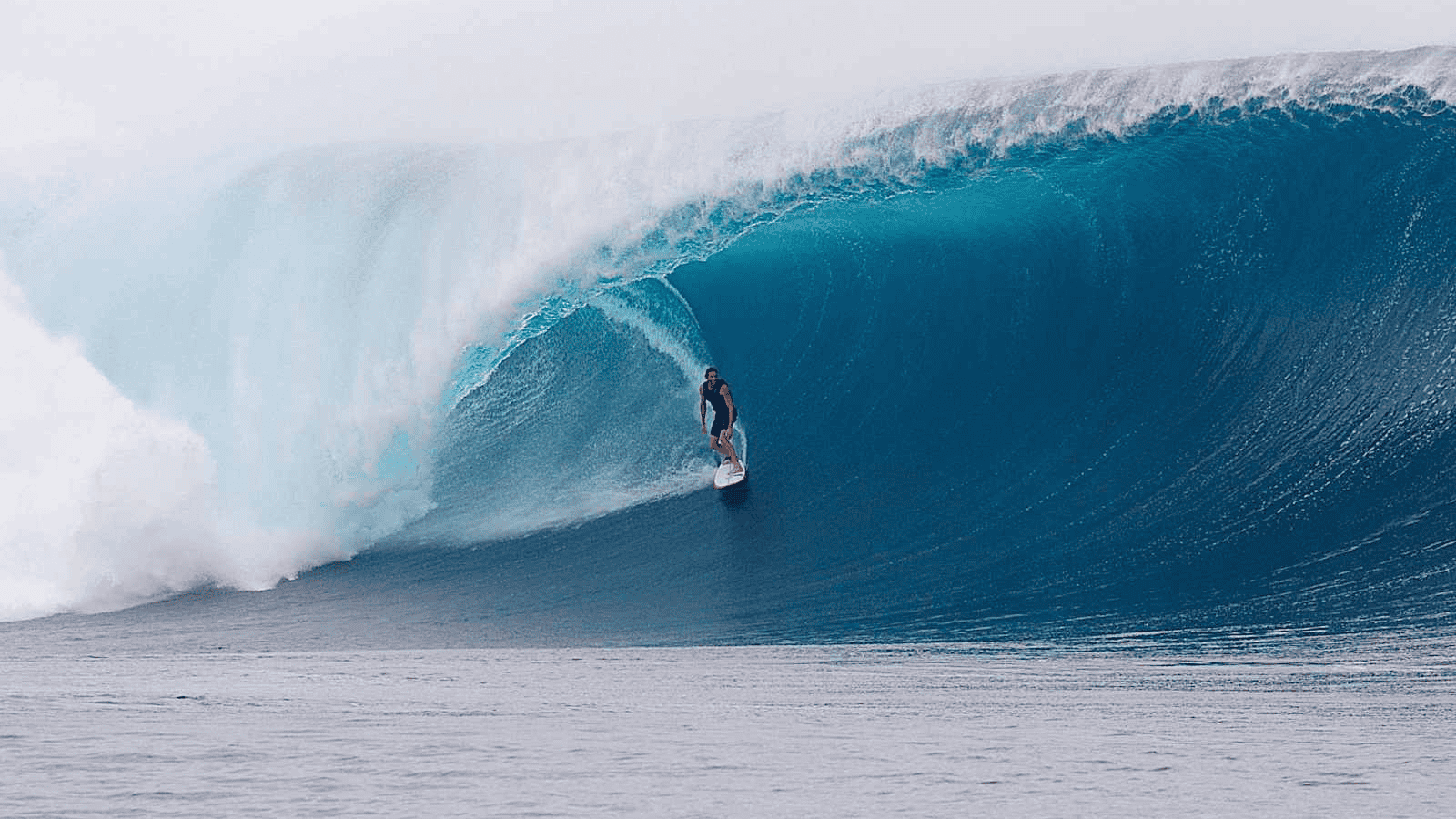
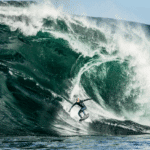
Thirteen-year-old Ana Gabriela “Aninha” Pessoti Dagostini just paddled straight into surfing history, charging a legit big wave at Nazaré with help from big-wave legend Lucas “Chumbo” Chianca. The session went down December 7 at Praia do Norte, right after the season’s biggest swell calmed—“calmed” being relative when you’re talking about Nazaré. In footage from the day, Aninha handles a massive drop, then in another clip gets swallowed by whitewater, pulls her inflation vest, and pops up like a buoy. Her translated commentary is pure grit: ten seconds underwater, “drinking broth,” and still ready for more. Aninha, daughter of two surfers, grew up in the sea—clearly the sea is now cheering back.
🇦🇪 united arab emirates: surfing goes super-luxe
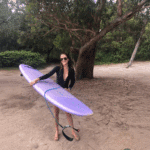
Conde Nast sent a self-proclaimed non-surfer to try Surf Abu Dhabi—the new Kelly Slater Wave Co superpool—and she walked out a believer. The facility holds three Guinness World Records (largest wave pool, longest artificial wave, highest wave) and feels more luxury resort than surf break: spa-level amenities, coaching from former pros, restaurants, infinity pool…the works. Beginners rave about its consistency and zero-ocean-challenge environment, while pros love the precision. The writer stood up on all 12 waves she caught, and while you won’t find Bali cliffs or Hawaiian palms, perfect machine-made surf seems to be its own seduction. With 80% of visitors flying in from abroad, this is officially a destination wave.
🇦🇺 australia: 500 sharks and one very brave surfer
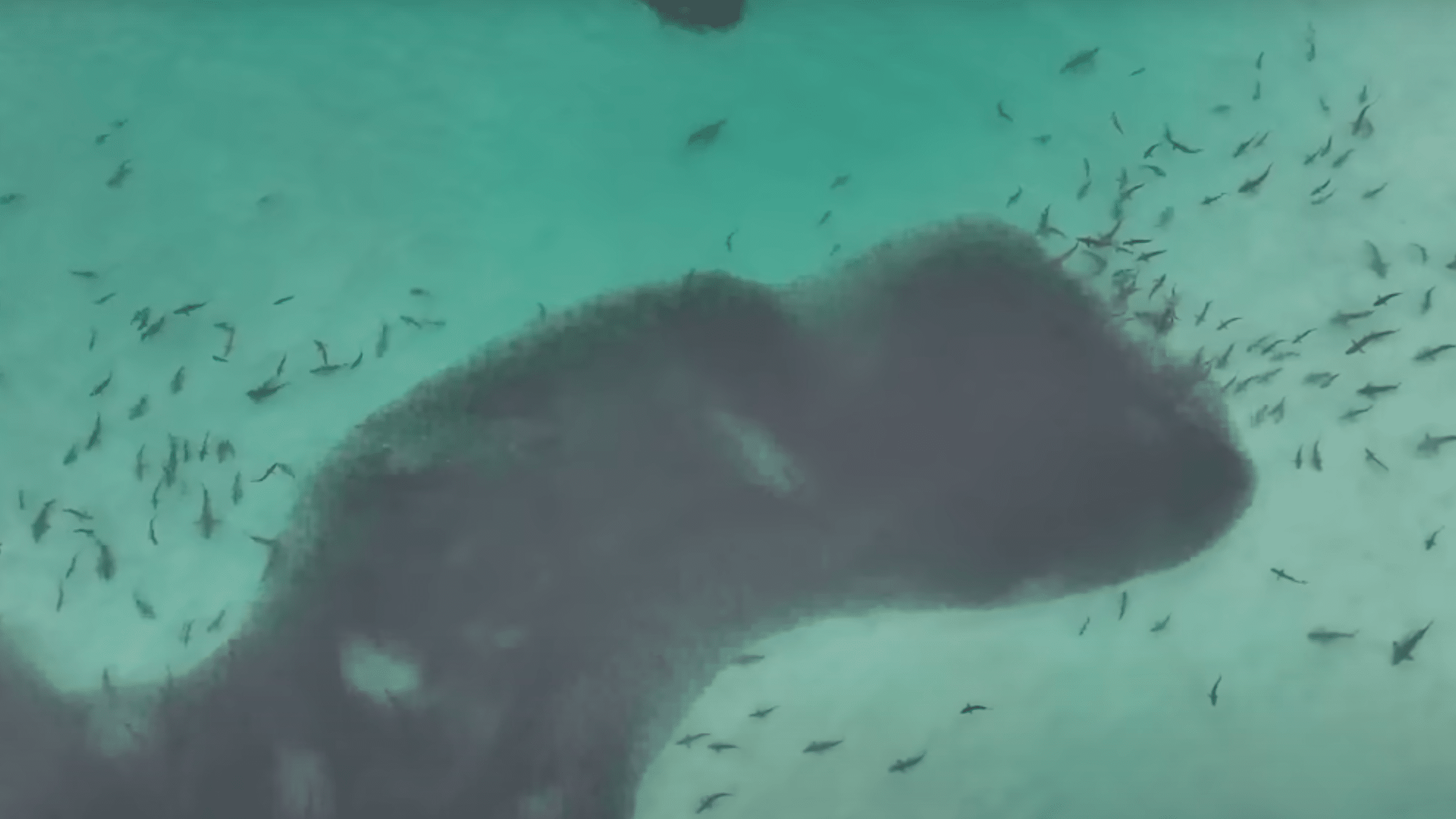
Drone footage off Moreton Island captured an outrageous sight: about 500 sharks in a feeding frenzy around a sardine bait ball…with one lone surfer casually trying to catch knee-high peelers in the middle of it. He got out safely—miraculously—and hopefully bought a lottery ticket. Drone Shark App described the moment as an unforgettable spectacle: sharks spread over a full kilometer of coastline, shredding bait while a human floated among them. Similar scenes have popped up in Byron Bay Shire and even Snapper Rocks lately, making it unclear whether shark activity is rising or we’re just noticing more. Either way, Australian shark content is on fire, and this surfer is officially built different.
🇺🇸 hawai’i: teens build the future of school surfing
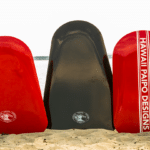
Two Hawaii teens, Maia and Sunny Kazama, are transforming surf education through Cue Collaborative, a nonprofit spotlighted during the Season of Aloha. Their signature event, The Honua Finals, is the world cup of interscholastic surfing, bringing elite high school teams from around the globe to compete in Hawai‘i—the birthplace of the sport. The event also helped surfing become an official high school sport statewide, the first in the U.S. With new teams forming across O‘ahu, Maui, Hawai‘i Island, and Kaua‘i, Cue Collaborative is now calling for equipment donations, especially surfboards, to help schools gear up for their inaugural season. It’s grassroots progress powered by young leaders who clearly get things done.
🌎 south america: the movement to legally protect waves
Across South America, surfers and scientists are uniting to protect waves as ecological, cultural, and economic treasures—not just fun bumps to ride. Peru pioneered the model with its 2000 Breakers Law, which has safeguarded 30+ surf breaks thanks to Hazla por tu Ola, a campaign funding the technical studies required for legal protection. Chile followed with its own legislation, pushed forward by big-wave legend Ramón Navarro, mandating environmental studies for any construction that might harm waves. Ecuador is debating a similar law after locals banded together to block a breakwater project. The logic is simple: waves shape coastlines, support ecosystems, and drive tourism—Lobitos, Peru, generates USD 3.6 million annually. Now other countries, including Mexico, are watching closely.