
Now Reading: Corduroy lines: Surfing’s most beautiful sight
-
01
Corduroy lines: Surfing’s most beautiful sight
Corduroy lines: Surfing’s most beautiful sight
The waiting drove me mad. You’re finally here and I’m a mess. That’s from Corduroy by Pearl Jam. This song was actually inspired by a corduroy jacket that you saw Eddie Vedder wear so often in the ’90s. But it’s not the kind of corduroy we will be talking about today.
You do know what corduroy is, right? That thick cotton fabric with velvety ribs that used to be fashionable in the 1970s. And wait a minute…it’s making a strong comeback in 2025.
What is corduroy?
But to us surfers? Corduroy means glory.
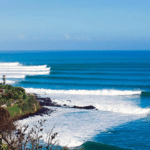
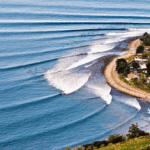
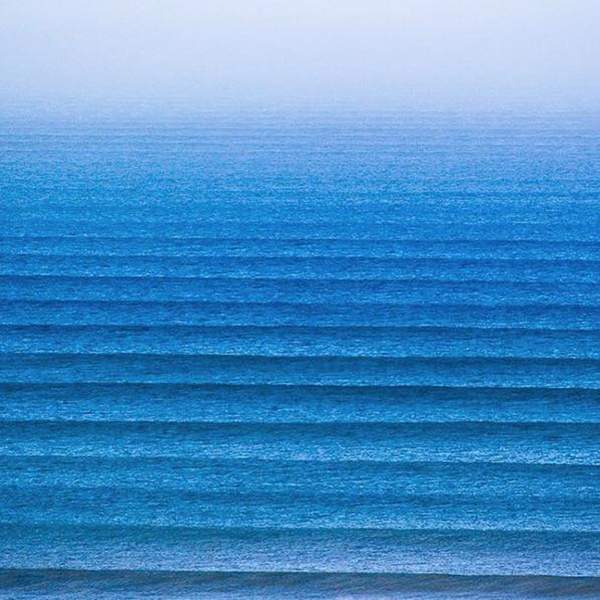
Because in surf lingo, corduroy is a description of numerous sets of waves about to make landfall, usually observed from a high vantage point.
What you’re seeing is a dreamy pattern of long, evenly spaced swell lines stretching into the distance—rolling toward the shore in neat, organized rows. Like Eddie Vedder’s corduroy jacket, but better.
️ What causes corduroy lines?
Corduroy lines are caused by long-period, organized swell trains generated by powerful, distant storms—usually far out at sea.
When a storm system (like a cyclone or low-pressure front) blows strong winds over a large area of the ocean for an extended time, it creates swell. The bigger and longer the storm blows, the more energy is transferred into the water, producing long-period swells (think 13–20+ seconds between wave crests).
How do they organize?
As these swells travel thousands of miles across the ocean, they begin to organize:
- The short, messy chop dies out.
- The longer, more powerful waves separate into clean, even intervals.
- They line up parallel to each other—creating the signature corduroy pattern surfers love.
This process is called wave dispersion, and it’s why the best surf often comes from storms that are hundreds (or thousands) of miles away.
By the time those swell lines reach your local break, they’re polished, powerful, and corduroy-picture-perfect.
So if a mate asks: Did you see these corduroy lines?! Grab a board and go.
Also, Eddie Vedder is a pretty decent surfer.