
Now Reading: Barbie doesn’t surf Pipeline
-
01
Barbie doesn’t surf Pipeline
Barbie doesn’t surf Pipeline
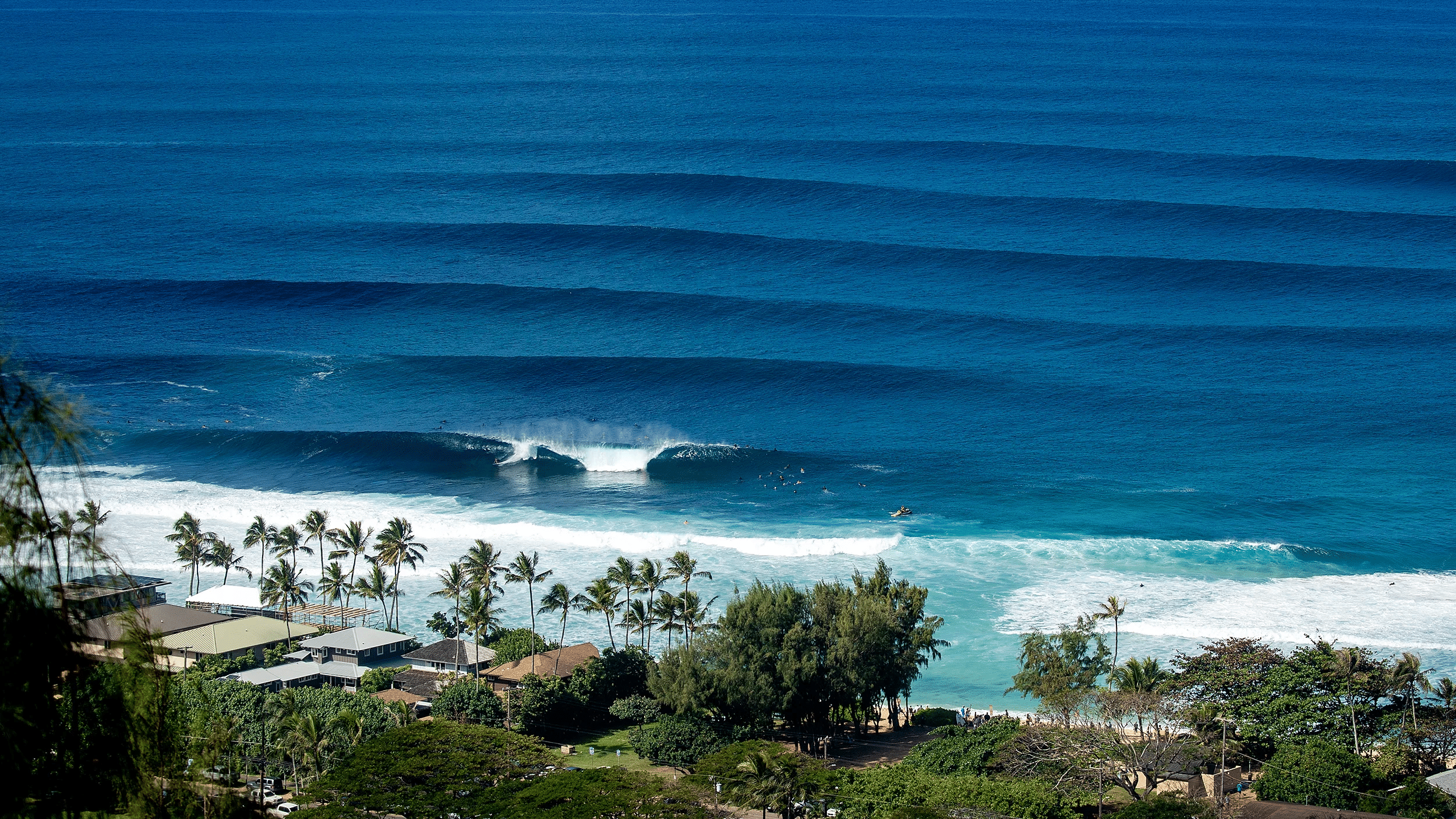
Pipeline.
As surfers, we should probably know a thing or two about it—so we can stay as far away from it as possible if we want to live. The takeoff at Pipeline was once described as a “god-damn heart stopper.”
Barbie at Pipeline
I’m currently working on naming the color editions of my “I Love Fatty” surfer trucker hats (sorry, too long to explain), and I named one of the colors Barbie at Pipeline. It reads:
“Our Barbie at Pipeline edition is an oxymoron. Barbie knows better. She prefers Canoes and Pops in Waikiki anyway. Fewer Kens.”
That’s exactly how I feel about Pipeline. Fun to look at, but I don’t want to buy it.
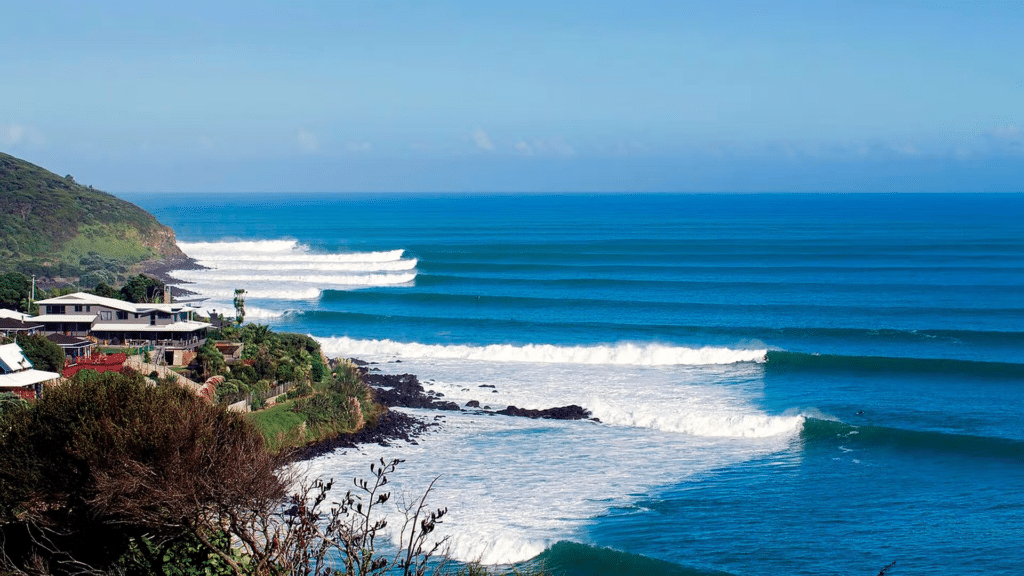
In case you’re new to the surfing game, Pipeline is the most photographed surf break on the planet. A legendary reef break on the North Shore of Oʻahu, Hawai‘i, it breaks mostly left—while its sister wave, Backdoor, breaks right. So sometimes you’ll see two surfers on the same wave going in opposite directions. Pipeline is also one of the few big-wave breaks that you can watch up close, right from the beach.
But it’s not all butterflies and cupcakes. No siree.
Pipeline is shallow—as little as 6 to 10 feet deep—and the bottom? Razor-sharp volcanic reef. Wipeouts aren’t just scary, they’re dangerous. There have been at least 11 confirmed deaths, and in one year alone, 30 injuries.
The wave itself is a thick, pitching barrel that breaks fast and hard.
It looks majestic from the beach, but it’s a total meat grinder in the lineup. It can be small enough for some surfing influencers to charge it. It can also be absolutely massive. Regular swells mean 12 to 25 feet on the face. During big swells? You’re staring at 40–50 foot faces.
️ Who surfed it first?
As for who surfed it first, the history’s a bit contested. But we’ll go with Matt Warshaw’s version: Phil Edwards, mid-December 1961, with Bruce Brown filming. That footage ended up in Surfing Hollow Days.
The name Pipeline? According to surf lore, it came from shaper Mike Diffenderfer, who suggested it to Bruce Brown—either because the wave looked like the giant concrete pipes being laid nearby or because he thought “Banzai” sounded too intense.
♂️ What’s it like to surf Pipeline?
Picture 50 guys in the lineup, strict pecking order, heavy localism. And yes—I do mean guys.
Women still rarely surf Pipe. Not because they can’t. But because, like Barbie, they smart. It wasn’t until 2021 that the Billabong Pipe Pro added a women’s division. Moana Jones Wong won the inaugural event and became the undisputed queen of the break. But even now, most women don’t surf Pipe regularly.
While researching first-hand accounts, I found this gem of a story. I don’t care if it’s real—I’m sharing it in full:
“For the most part, surfing Pipe as a non-regular completely sucks. If you’re even in a spot to catch a wave, you’re surrounded by a pack of feral psychopaths frothing like desperate starving piranhas. Or imagine trying to eat a blade of grass on the African savannah with 100 water buffalo charging at you from every direction. You tell yourself, ‘I’m tough, I belong here.’
Finally, if you’re insanely lucky, a set rolls in and you’re in the right spot. As the wave approaches, water begins draining off the reef, and what was deep blue becomes transparent—your toe knuckles dragging across jagged coral. Behind you: a vertical cliff of water. In front: a swirling torture chamber.
This is when the Banshee screaming starts. You panic. Are they calling you off or telling you to go? You hurl yourself off the cliff—imaginary dominance intact—and realize the wave is four times faster than anything you’ve ever surfed. You’re 12 feet in the air, drone view over a hollow barrel, maybe with a pro already deep inside it.
This is when you start praying.
The wave slams you down—if you’re lucky, you don’t hit the reef. The one time I surfed Pipe, I went left, another guy went right—we collided on a double overhead wave. I face-planted into my own fins and got a gash on each side of my eyes.
As we rolled in the shallows, the guy starts screaming, ready to fight. I told him I was going left. He chilled out. Good times.”