
Now Reading: Why Raglan matters: History, resistance, and a very very long left
-
01
Why Raglan matters: History, resistance, and a very very long left
Why Raglan matters: History, resistance, and a very very long left
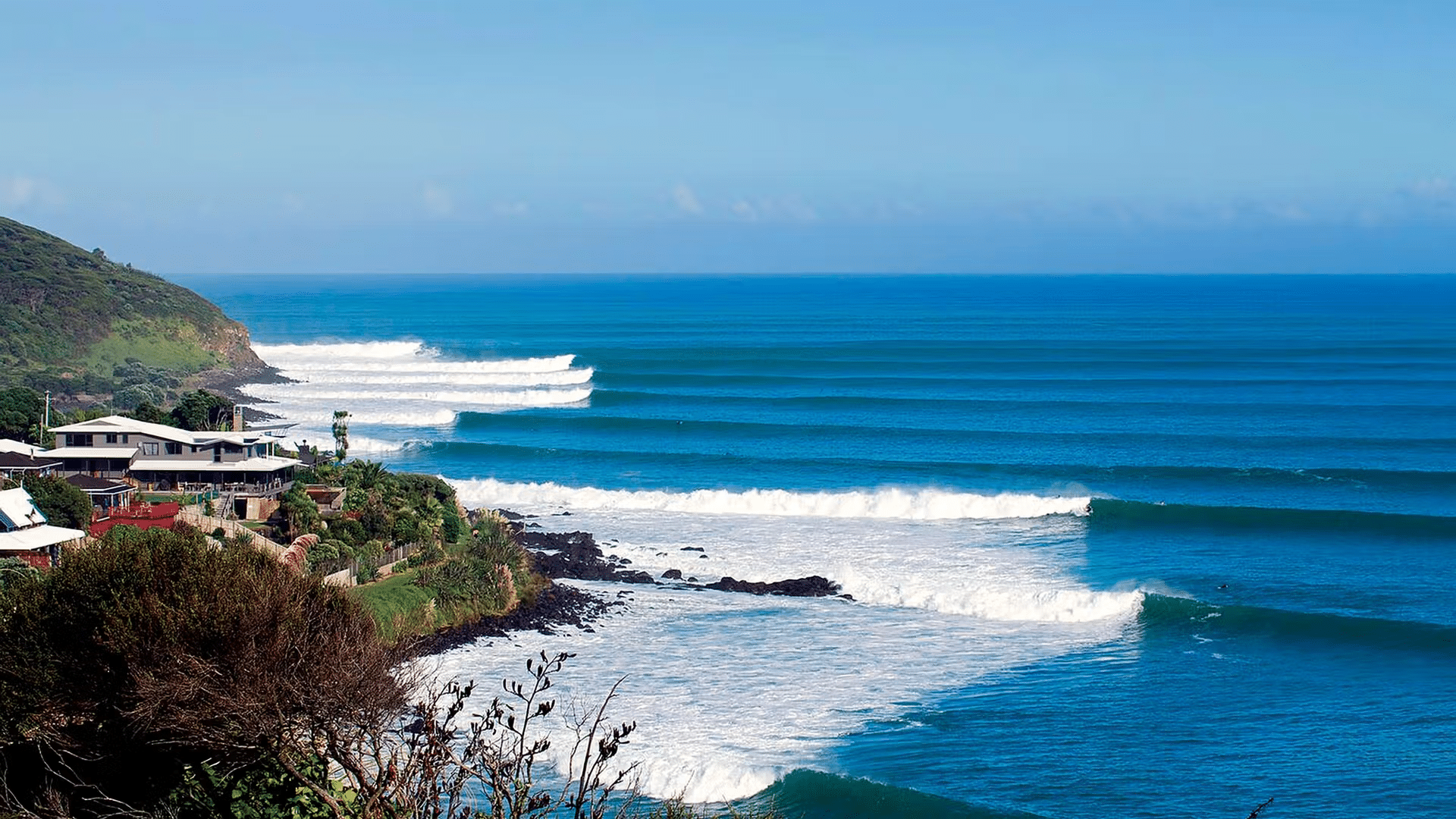
J-Bay is out, Raglan is on the Championship Tour. So what’s so special about this Kiwi wave?
where raglan is—and where it comes from
Raglan sits on the west coast of New Zealand’s North Island, about two hours from Auckland and 45 minutes west of Hamilton.
Before it became a surf pilgrimage, Raglan—Whāingaroa—was (and is) Māori land, long inhabited by Waikato-Tainui iwi. The name is often translated as “the long bay” or “the long pursuit.”
After the New Zealand Wars in the 19th century, large areas of land around Raglan were confiscated by the Crown (you know, the British). During WWII, more land was taken to build an airfield—with a promise it would be returned. It wasn’t.
That broken promise led to one of Aotearoa’s most significant land-rights movements. In the 1970s, Māori activist Eva Rickard led protests and occupations demanding the land back. Arrests followed. So did change. In 1983, the land was finally returned—making Raglan a powerful symbol of Indigenous resistance and reclamation.
the wave itself
Surfwise, Raglan is New Zealand’s most famous wave—and yes, it’s a left. According to the Encyclopedia of Surfing, it’s “capable of producing rides of nearly surreal length.”
Back in 1989, Surfing magazine named Raglan one of the “25 Best Waves in the World.”
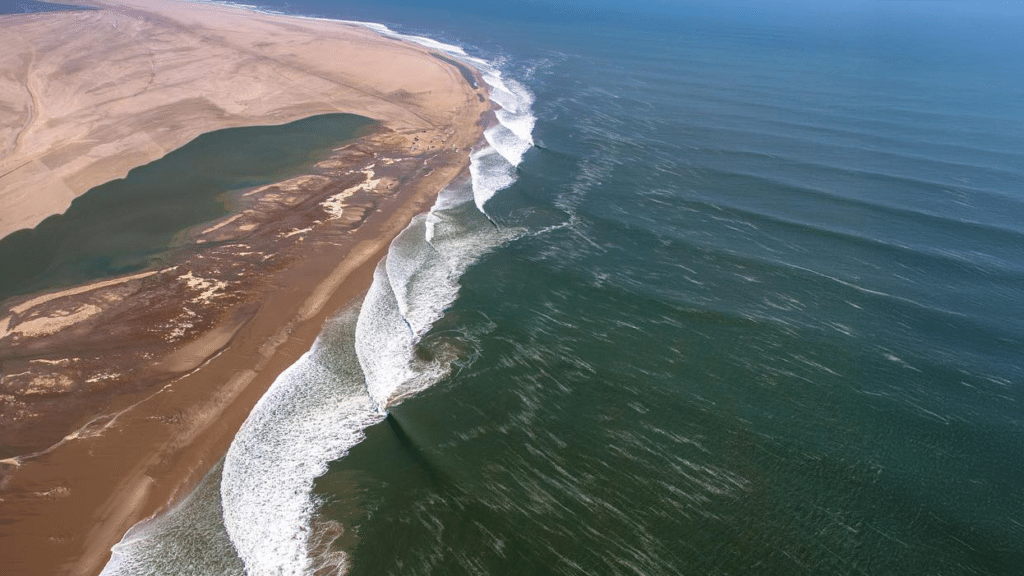
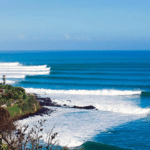
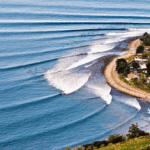
Raglan is made up of five separate surf spots: a beachbreak, a reefbreak, and three point breaks. Manu Bay is the prettiest—and the star—capable of carrying you hundreds of meters on the right swell and tide. Whale Bay is more exposed, faster, and heavier, while Indicators offers a softer entry point.
And when those three points link together? You get a continuous wave that can run for more than two miles.
Quoting the Encyclopedia of Surfing again:
“On such occasions, local surfers take turns waiting at the base of the point to drive groups of their friends back to the starting area.”
Raglan is generally best during summer and fall, when four- to six-foot surf is fairly common and water temperatures sit in the mid-60s.
from endless summer to the championship tour
Like many waves before it, Raglan was introduced to the world in 1964—because of course Bruce Brown and The Endless Summer. Pre–Endless Summer, you could surf Raglan by your lonesome. Post–Endless Summer, “surfers would be scrambling down the hill like termites exiting a smoking tree”—a quote from a New Zealand journalist that still holds up.
Raglan has been a fixture on the New Zealand Championship Circuit for years. Now, it’s officially stepping onto the world stage, with its debut as a Championship Tour stop in May—marking a big moment not just for the wave, but for New Zealand surfing as a whole.
embed” width=”100%” height=”320″ frameborder=”0″ scrolling=”no” style=”border-radius: 4px; border: 2px solid #e5e7eb; margin: 0; background-color: transparent;”>