
Now Reading: What did Christmas look like in ancient Hawaiʻi?
-
01
What did Christmas look like in ancient Hawaiʻi?
What did Christmas look like in ancient Hawaiʻi?
What did Christmas look like in ancient Hawaiʻi?
Short answer: it didn’t—at least not in the way we think of Christmas.
Before Western contact, ancient Hawaiʻi followed a completely different calendar system, one tied to the moon, the ocean, agriculture, and fishing cycles. What did exist, though, was a very important season that roughly overlaps with the Western winter: Makahiki.
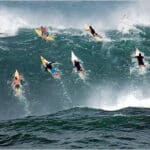
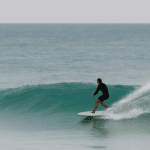
Makahiki was a four-month-long festival dedicated to Lono, the god of fertility, rain, peace, and abundance. And here’s the key thing—it was a time when war was kapu, meaning forbidden. No battles. No conflict. People focused on rest, celebration, games, feasting, and honoring the land and sea. Also, they surfed. Doesn’t this sound just glorious?
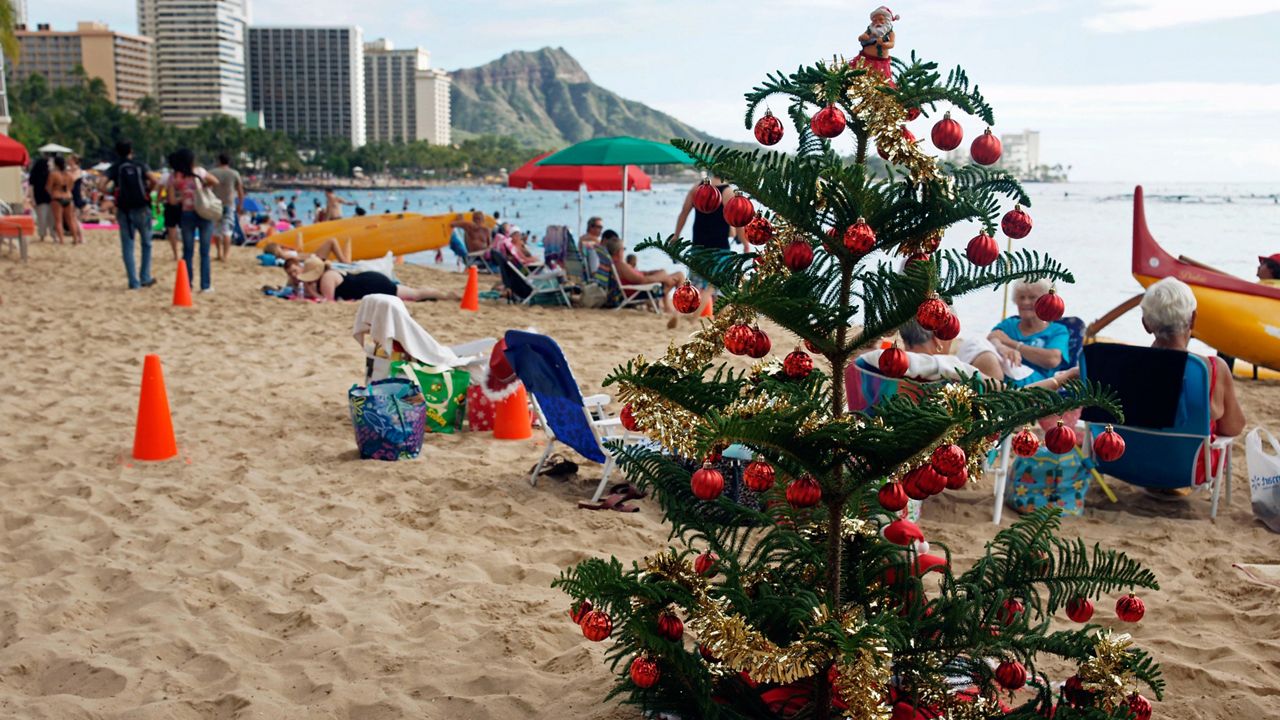
So when Christianity arrived in Hawaiʻi in the 1800s, Christmas landed on top of an existing season of rest, reflection, and gathering. Perhaps that’s why Christmas in Hawaiʻi today feels different than, say, in California. More outdoor, for sure—but also more communal.
Merry Christmas, everyone! 🎄