
Now Reading: Is it beach boys or beachboys?
-
01
Is it beach boys or beachboys?
Is it beach boys or beachboys?

I don’t think you can visit O‘ahu, Hawai‘i and not come across this term. I wanted to learn more about the origins of beach boys so I could share it with you.
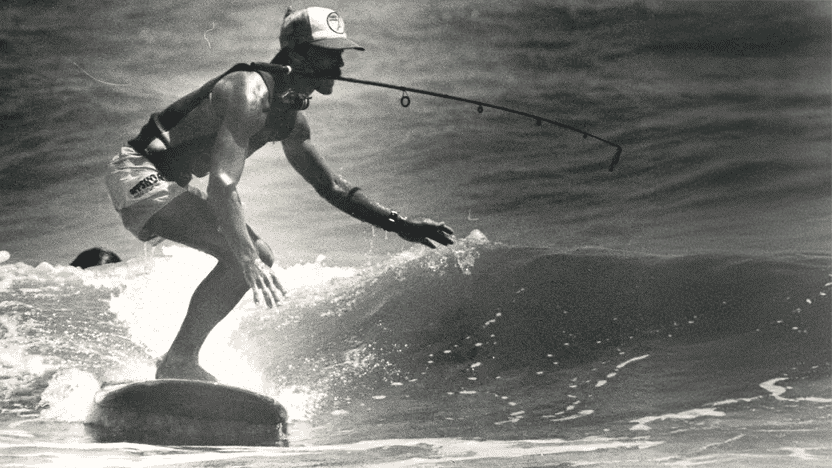
Beach boys—or beachboys—were a staple on the beach at Waikīkī in the early and mid-20th century. The beachboy was, well, we can call it a profession. Beach boys earned a living by performing lifeguard duties and giving surf lessons and canoe rides. When they weren’t working, they were surfing, swimming, fishing, and playing music—basically living the dream.
Moana & the rise of the beachboy
According to the Encyclopedia of Surfing, beachboys first appeared in Waikīkī just after the Moana Hotel was built in 1901. As you may remember, surfing and all the other water sports almost got killed by religion by the late 1800s—because, you know, too much fun and too little clothing.
By 1911, two surfing clubs—the Outrigger and Hui Nalu—took up residence on Waikīkī Beach. Hui Nalu’s captain brokered a deal with the Moana Hotel to run the first surf lesson concession in 1916, and the Moana Bathhouse Gang was born. These beach boys were clean-cut, wore uniforms, and were supposed to not flirt and to keep their hands to themselves.
Not everyone loved the beach boys. They were once called “a bunch of lazy male prostitutes who made their living off mainland divorcees.” Harsh. Yet Californian surfers loved the look and feel, and upon returning home tried to replicate it. Aloha shirts for the win!
Celebrities & wildcatters
Then the Royal Hawaiian Hotel opened in 1927. You know, the pink one. Hawai‘i tourism went into overdrive, and the number of beach boys increased accordingly—teaching surfing and taking tourists on canoe rides. Some famous ones too: Charlie Chaplin, Babe Ruth, Cary Grant, and Bing Crosby. Oh, and Agatha Christie!
The Second World War put an end to the tourism explosion in Hawai‘i, and beachboys took other jobs. After the war, things changed. Wildcatter (non-“unionized”) beach boys came to the fore. And they were not very nice. They were renting defective surfboards and then charging tourists extra to be brought back to shore.
Let’s not forget about Duke Kahanamoku. He wasn’t a paid beach boy, and of course he wasn’t a wildcatter, but he was the aloha spirit incarnate. And when he died in 1968, according to the EOS, “the beachboy lifestyle in a sense died with him.”
And Rabbit Kekai—one of the original innovators of modern surfing—who died at 95 in 2016, has sometimes been called the last beachboy.