
Now Reading: You’re a surfer. You need to swim to surf, right?
-
01
You’re a surfer. You need to swim to surf, right?
You’re a surfer. You need to swim to surf, right?
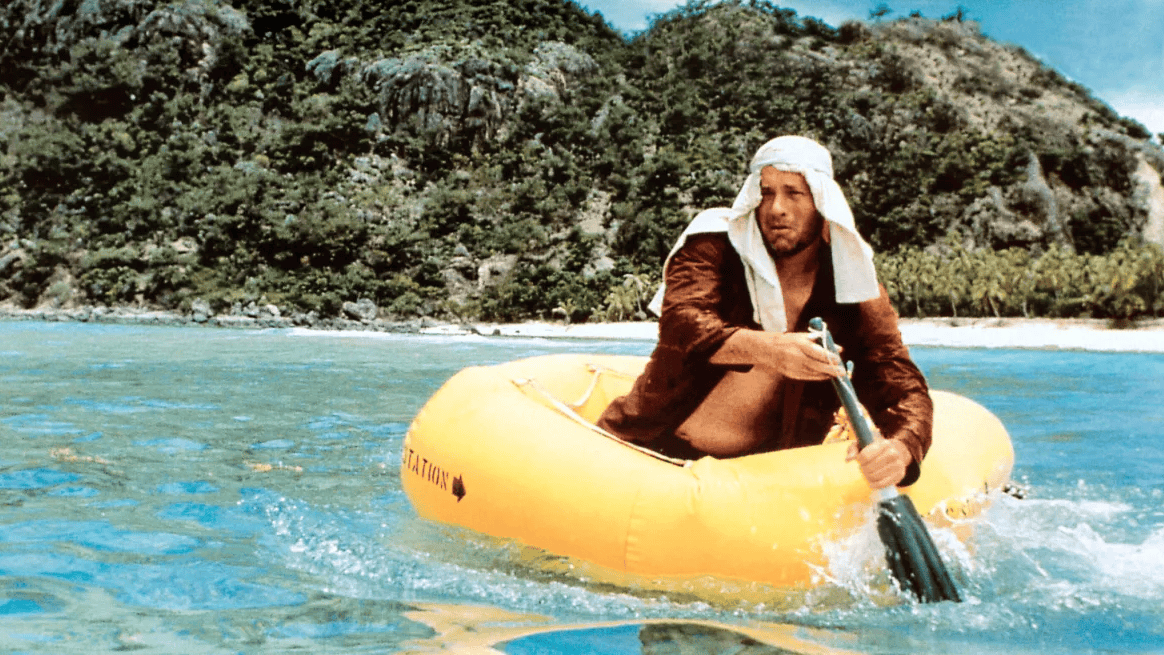
Ever wondered how well you need to swim to surf? It’s okay if it never crossed your mind. Let’s do a little check-in, shall we?
We’ve all heard of people who bragged about learning to surf without knowing how to swim. Or maybe they claimed not to know how to swim. Which begs the question: how well do you really need to swim to surf?
It’s one of those “how long is a piece of string” questions. Because technically, if you’re doing your very first lesson with an instructor right there, in waist-deep water where your feet touch the bottom, you might get away with it.
Basic water competence: what does that even mean?
Do you remember your first lesson? Did anyone ask if you knew how to swim before taking you out?
I’m pretty sure no one asked me. It was just assumed.
I actually had to skip my first surf lesson in sunny Malibu—my husband did it—because I couldn’t really swim properly. That was my choice. I went back to the UK, took swimming lessons, and had my first surf session instead in overcast, freezing Porthcawl, Wales.
Could I have risked it in Malibu? Probably. But the truth is, even in waist-deep water, you need basic water competence. That means being able to float and tread water calmly, without panicking when your board slips away and you fall in. And if your instructor takes you a bit further out, you should be able to swim at least a short distance—say, 25 to 50 meters—without assistance.
Let’s be honest. Even in mellow, beginner-friendly conditions, if you can’t swim, you’re putting yourself and others at risk. Especially your instructor or another surfer who might feel compelled to help you.
Ocean is not a swimming pool
And I wish I could say that being a strong swimmer is enough—but even strong swimmers can struggle in the ocean. Because the ocean is nothing like a pool.
Waves, whitewater, rip currents, cold water—they all drain your energy way faster than you think. Wetsuits add drag. And panic or disorientation during a wipeout is super common. That’s probably why some instructors recommend training in open water, or at least simulating rougher conditions by swimming with fins in choppier surf.
Maybe you’re thinking, “Well, I only surf when it’s small and calm. I’m doing fine.”
Sure—but even mellow breaks can surprise you. Your leash might snap. Your board can float off quickly. You could get caught in a rip and end up far from shore. A wipeout might knock the wind out of you or mess with your sense of direction. And then you’re tired—but you still need to paddle or swim back in.
The lifeguard benchmarks
Now, I don’t want to oversimplify this by saying that if you’re not confident in your swimming, you shouldn’t surf. Confidence is a weird metric—it doesn’t always line up with actual skill.
So here’s what many lifeguards and surf instructors suggest: be able to swim around 500 yards—or about 450 meters—in under 10 minutes. Be comfortable treading water for over 10 minutes. Know how to get under a wave using a duck dive or a turtle roll. And above all, know how to float and recover calmly if you’re exhausted.
Hey, if you’re not there yet, that’s okay. Many surfers take swimming lessons or get into open water swimming before they really commit to surfing, especially in tougher conditions.
And I think we can all agree—those inflatable vests and belts are no substitute for actual swimming skills.