
Now Reading: How to wipe out without wiping out
-
01
How to wipe out without wiping out
How to wipe out without wiping out
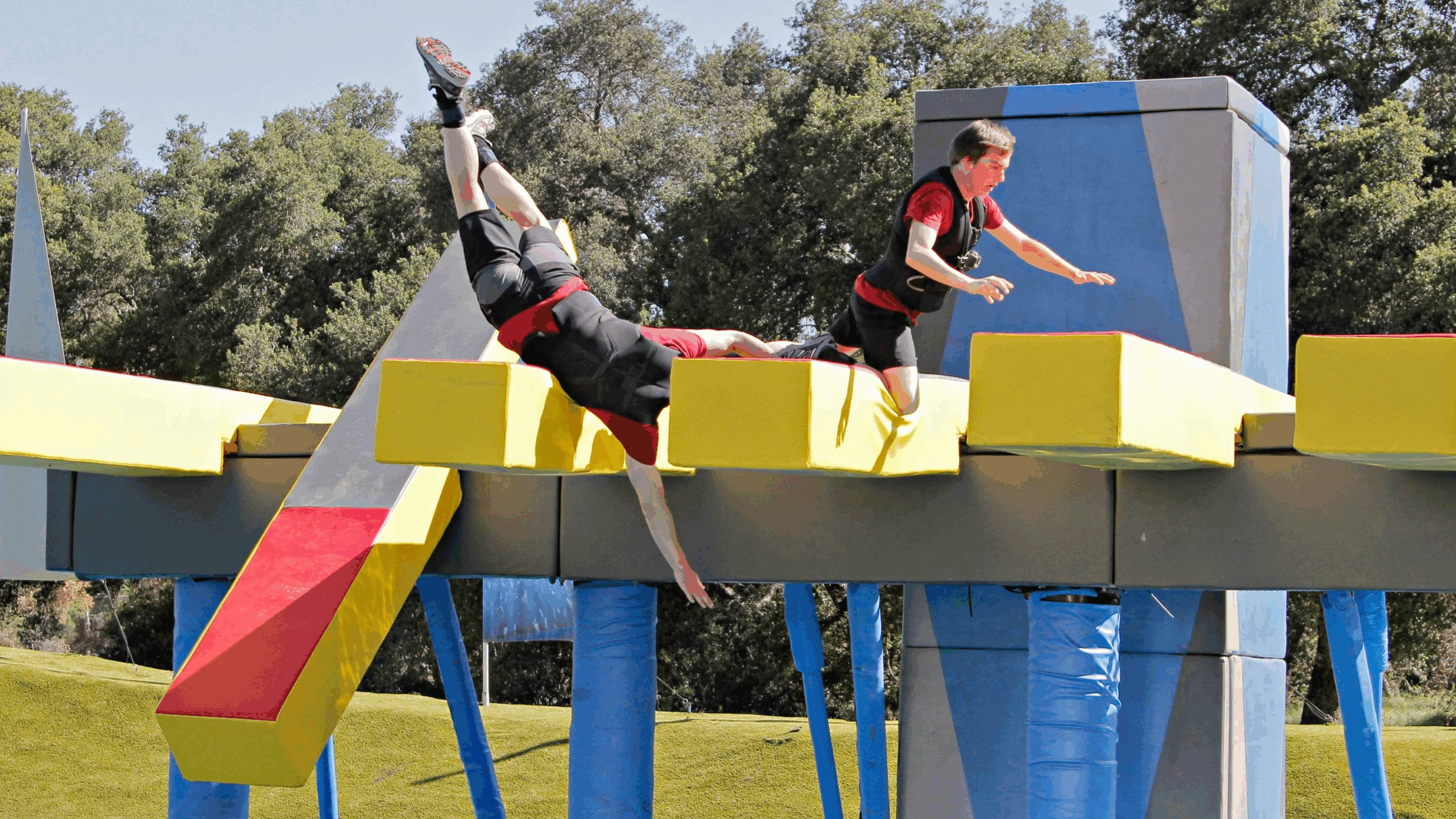
Show me a surfer who never wiped out, and I’ll show you a liar, pants on fire. Let’s talk about wiping out and living to tell the tale.
When a non-surfer thinks about surfing, they see a figure standing on a board trimming along the wave in perfect harmony. Or maybe doing some crazy aerials. They do not, however, think of paddling or wiping out—both of which are an integral part of surfing.
The art of crashing
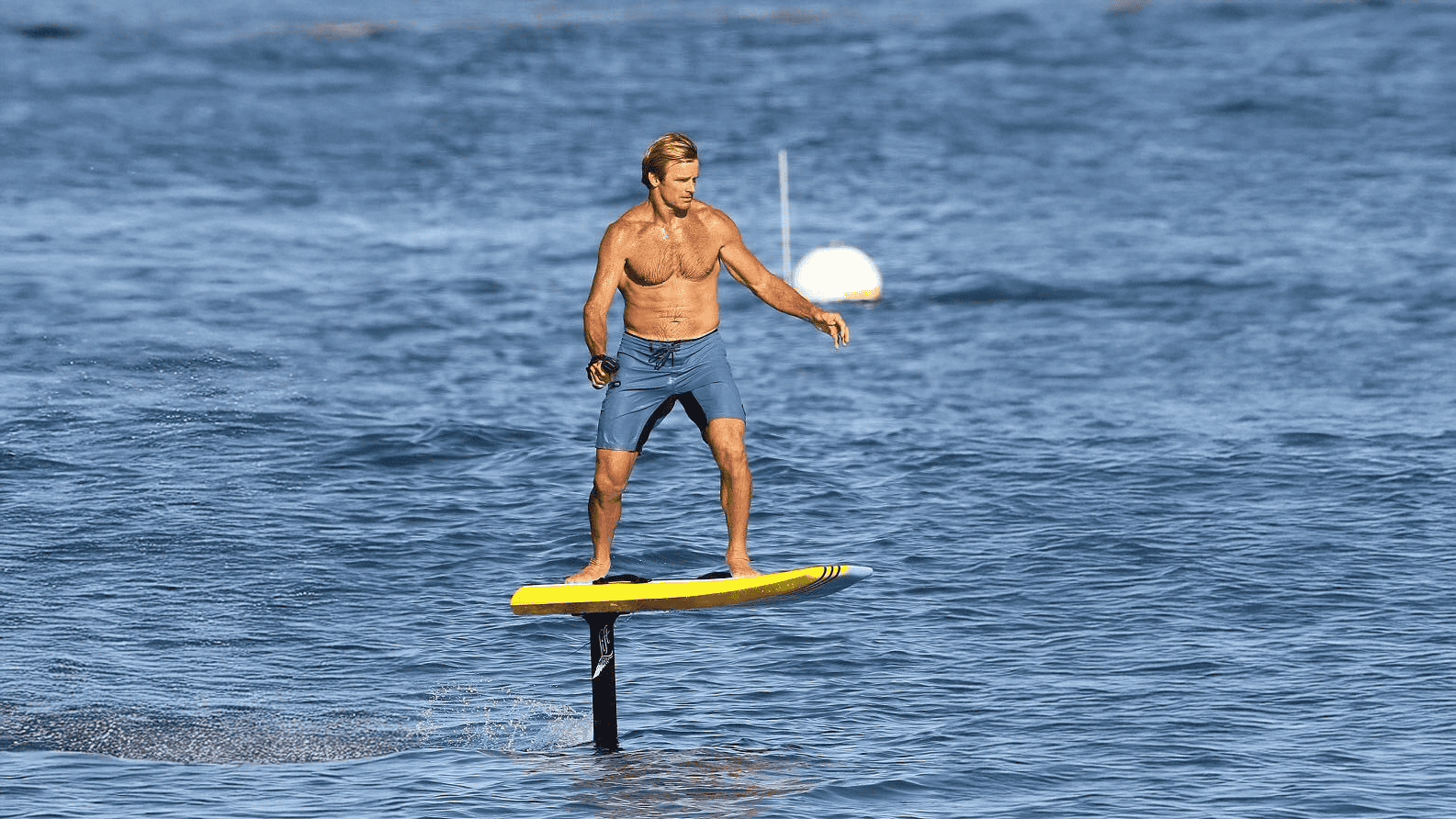
We have an expert who can comment on how to wipe out without wiping out. My hero and big wave surfer, Laird Hamilton.
Laird once said: “Wiping out is an underappreciated skill. Look at any sport that has crashing or falling. Football. Motorbike. There’s an art to crashing. If you took a normal person and threw them into that situation, they’d be severely hurt. But the guys who’ve developed a certain skill at it hop right back up.”
This probably would’ve been a much better video than a pod episode, but let’s get into it anyway. A little more knowledge can’t hurt.
What counts as a wipeout?
We all know what a wipeout is, right?
It’s when a surfer falls off their surfboard, usually while attempting to catch or ride a wave. And it can be caused by a multitude of sins: losing balance during a takeoff or turn, catching the wave too late or too early, getting caught by the lip (top) of the wave, or misjudging speed or direction. It could also not be your fault at all, when you hit unexpected chop, for instance.
Wipeouts come in different shapes and sizes: from a lousy dismount at the end of your ride to a wipeout resulting in a multiple wave hold-down.
Intentional wipeouts
Let’s start at the beginning and talk about the intentional wipeout, or how to come off your board at the end of a ride. If only we could do it gracefully.
Best practice requires practice. Ideally, you want to kick out the back—meaning, if you’ve got speed and room, gently fade off the wave and slide off the back. If it’s closing out, you can jump off the front of your board—but first, make sure your board isn’t in your landing zone.
Always assume the water is shallower than it looks. So, fall like it’s 3 feet deep. If the waves are small and mellow, you sometimes can just sit back on your board.
And here are a few don’ts: Don’t dive headfirst—you want to keep your head. Do not land flat on your back. Whatever you do, don’t you dare let go without looking and hoping for the best.
When you don’t see it coming
Now, if a wipeout is somewhat unexpected, you still gotta plan for it.
Don’t panic. This sounds so cliché, I know. But panicking is what burns your oxygen and gets you in trouble. Most hold-downs last only a few seconds—15 seconds at most.
Remind yourself: “I can hold my breath longer than this.”
Start counting in your head—it gives your brain something to do and prevents spiraling.
Breathing before impact
You need to keep breathing. If you know you’re about to eat it, fill your lungs. Even a quick inhale helps. Having air in your lungs will give you buoyancy and time.
But first, do not panic.
♂️ Avoid your surfboard
Beware of your surfboard. Just like when you’re finishing your ride, always try to jump away from your board—to the side or over the back.
Never dive in front of your board. That’s how you take a fin to the face. If you’re going over the falls, get to one side of the board—or ditch and launch as far as you can.
As one Redditor put it: “1st step: Stay aware of where your surfboard is. 2nd step: Be somewhere other than where your surfboard is.”
️ Protect your head and neck
This one you will know. Protect your head and neck like you couldn’t live without them—because you can’t. Always assume your board—or someone else’s—is about to hit you.
Here’s what to do: hands on head, elbows tight. Tuck into a cannonball or fetal position. Come up with one hand above your head in case your board is directly above so you can push it off.
“Cover your head like it’s an earthquake,” said one surfer. “The one time I didn’t, I needed staples.”
⏳ Don’t rush the surface
And I know it’s tempting to pop up as fast as possible, but you might be better off waiting until the wave fully passes before resurfacing. Because if you rush, there’s no guarantee that you don’t take a board to your face or head.
If you have it in you, and the bottom is sandy, you may want to let yourself sink to the bottom briefly—less turbulence down there.
About the leash
Yes, the thing at the other end of it floats better than you do. Grab it gently though—you don’t want to pull it right into your face. If it snapped, again, do not panic.
Stay calm and look around as you’re swimming about.
The ocean always wins, so train for it
Finally, let’s face it. You’ve got nothing on the ocean. You will never be stronger than it is. Let the bloody wave win. Don’t fight it. Relax your body, but protect it at the same time.
There are a few things you can do on land to prepare yourself for safer wipeouts. Breathing is an obvious one. Start by training your breath-hold. You can practice static apnea (that means holding your breath while relaxed).
Or try walking breath-holds (hold your breath while walking to mimic exertion). There are tons of breathing apps on mobile—pick one that works for you.
Knowing your break goes a long way. If you ever paddle around at low tide, you will know where all the hazards like rocks or reefs are. Also, watch where other surfers eat it—and where they resurface.
One last thing. Personally, I won’t be surfing any big waves any time soon, but the rule is it’s often safer to bail early at the takeoff.