
Now Reading: What on earth is a flying kickout?
-
01
What on earth is a flying kickout?
What on earth is a flying kickout?
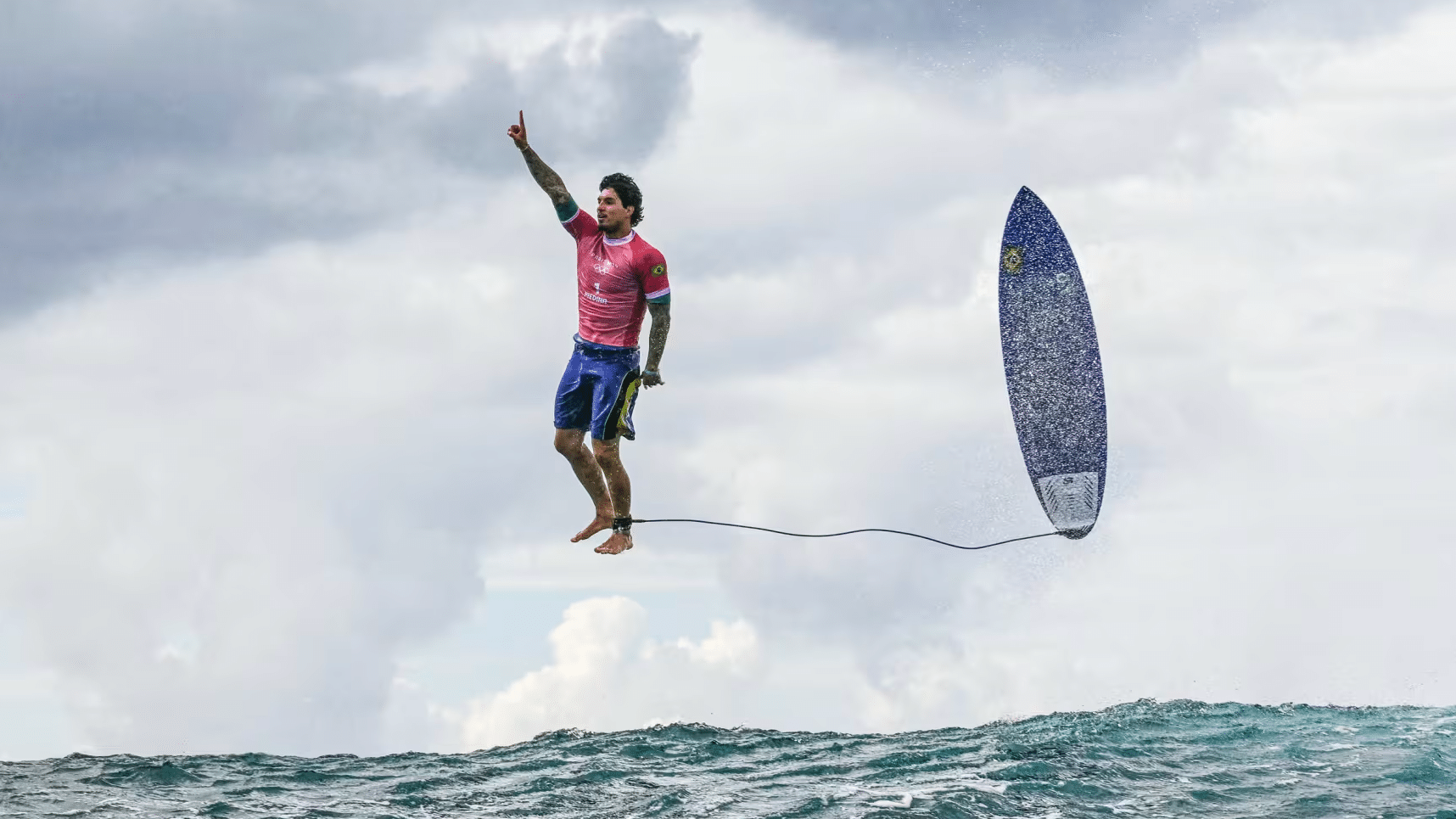
Well, this is not going to end well in the busy lineup.
Flying kickout is a type of pullout, so this is where we need to start.
What is a pullout?
When you’re exiting a wave at its end, it’s called a pullout. How you perform a pullout says a lot about what decade you live in and the kind of person you are.
Before the 1940s, surfers rarely pulled out to escape a closed-out, because it was extremely hard to stop a heavy, finless longboard once it started going. The surfers would straddle the back section of the board and use their legs to break instead.
Once the surfboard design changed after the Second World War: lighter boards and a fin, pullout became one of the well-known maneuvers alongside bottom turn and cutback.
A typical pullout is gracious and safety-orientated. You angle or pivot your board over the wave crest. It was less safe before the early 70s and the surfboard was not attached to one’s body, but now thanks to Pat O’Neill, son of Jack O’Neill, we have leashes. The pullout is seen as a bit of work, which is probably why a lot of beginner surfers dive off their boards or fling them from underneath.
Get your pilot wings
The flying kickout may be a bit of work, but it was so showy that surfers deemed it worth it, I guess. In this maneuver, a surfer aims toward the crest and then ejects off the tail section of the board. As a result, the board goes flying vertically and spinning. According to the EOS, sometimes for 75 feet with surfers in the lineup literally diving for cover.
The flyaway was most popular during the shortboard revolution, but its showiness died as soon as the leash was invented in 1971. It evolved into one where the rider stays on the board, rides it for a bit in the air and then kicks it away.
Chill with an island pullout
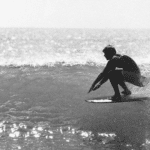
Oh, there’s also an island pullout. It’s longboard-specific and typically performed in smaller surf. The surfer crouches near the front third of the board, pushes the nose underwater, swings the tail toward shore, stalls, and lets the wave pass by.