
Now Reading: Always bring a first aid kit to the surf break
-
01
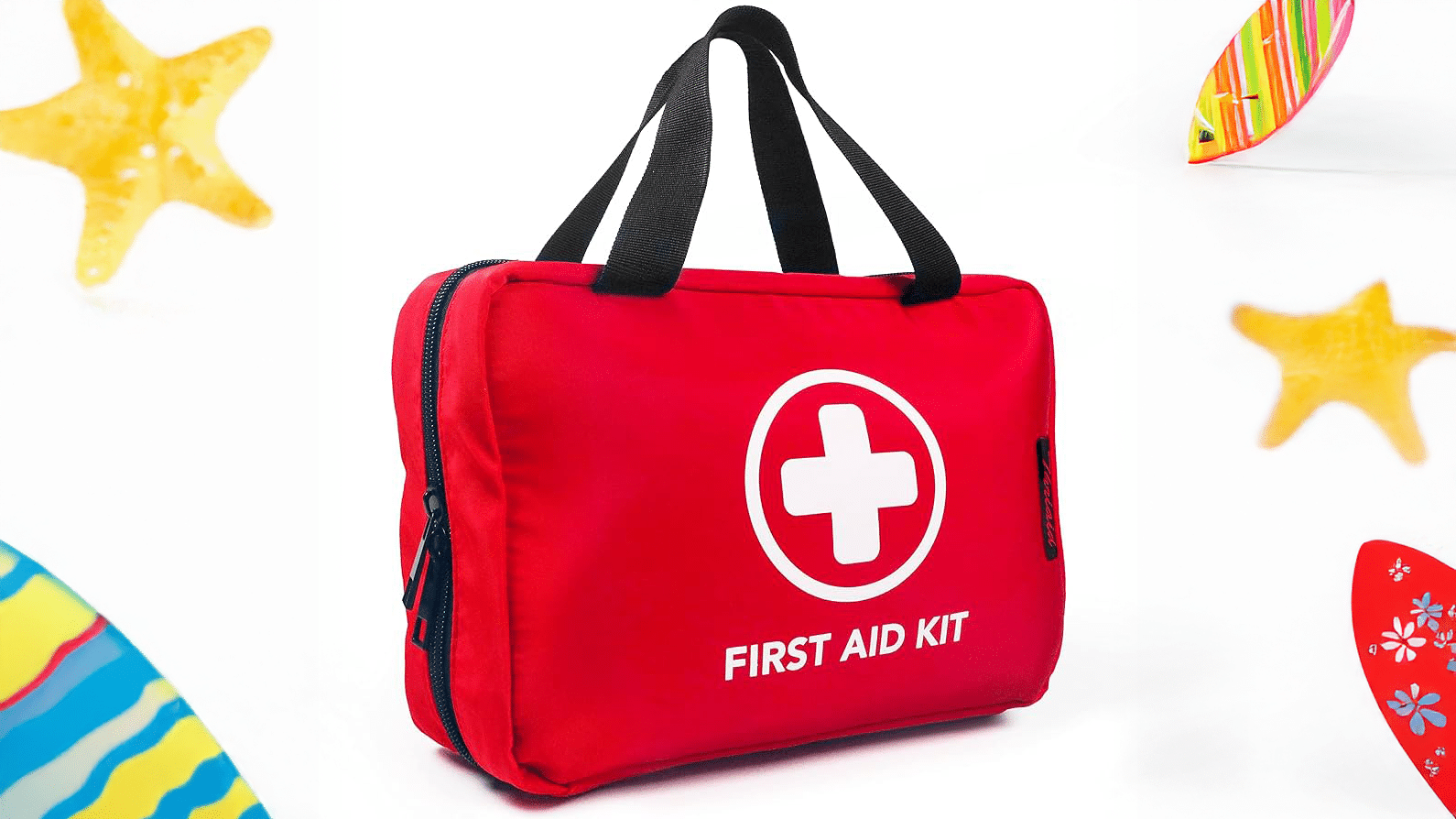
Always bring a first aid kit to the surf break
Always bring a first aid kit to the surf break
I’m not gonna lie. When someone tells me they feel frustrated, discouraged, and they’re questioning whether this surfing thing is worth the hassle after taking a few lessons, I want to stick their head in a toilet bowl and flush.
Hold on. Do not get me wrong here, cupcake.
These are not the people who are genuinely upset because their progress is slow, who want to get better, and just need reassurance that it will get better if they stick with it. Oh no. These are the people who want it easy.
Surfing ain’t easy. Ever.
Surfing ain’t that. It’s hard when you start. It’s hard when you progress. It’s hard when you’re good. And it gets hard as time passes by. You’re either on the bus or you’re off the bus, but we are leaving!
The type of person who wants surfing to be easy doesn’t want to hear that you should bring a first aid kit when you’re going out. Because surfing is supposed to be a delightful pastime—not some dangerous endeavor that leaves you scarred for life.
Earlier this week, my friend Deanna and I went out surfing. Well, we went out to play in the white water. The tide was low, Deanna’s board flipped, and it got her in the face—blood splattering all over the place. I ran to my car for the first aid kit, leaving Deanna on the beach. But when I returned, she was gone.
The boards were still there, but no sign of Deanna. And that’s when my mind went into overdrive. Did I misjudge the damage? Was Deanna in shock? Did she wade into the ocean and drown within those 10 minutes I was gone? Should I not have left her?
I realized that I didn’t actually know what you’re supposed to do in such situations when there’s no lifeguard on duty.
After 15 minutes—and being none the wiser—I grabbed Deanna’s board and dragged my own foamie across the sand to the parking lot, defeated.
As I neared it, Deanna arrived in the lifeguard truck, because of course. She caught an Uber to the ER, and I got back in—because honestly, I was worried that if I didn’t, I’d have a minor surf freakout and swear off it for good.
That was Thursday, and Deanna—cut, bruised, black-eyed and all—was back in the water this morning (Saturday). Cutting with her fins like butter through my foamie. But hey, at least it wasn’t my face!
What to do when there’s no lifeguard
Here’s what to do when your buddy gets smacked by a board in the surf and there’s no one else to help:
- Ask them if they’re okay, if they can paddle, where it hurts
- Help them out of the water
- Check for bleeding, disorientation, or any signs of head or spinal injury
- If it’s minor, make sure they rest, hydrate, and monitor for signs of shock (paleness, dizziness, shallow breathing)
- Rinse the injury with fresh water
- If it’s bleeding heavily, apply pressure with a towel or shirt
- If it looks serious, don’t move them—get help
I recently learned about BWRAG, the Big Wave Risk Assessment Group, and the courses they offer in ocean safety. They’re available to surfers at any level and teach lifesaving skills that apply to waves of all sizes—from 2-foot rollers to Mavericks monsters.
It’s not a cheap affair—$525 Early Bird for a two-day course (I don’t think lunch is even included)—but if I had the funds, I’d definitely do it.