
Now Reading: Night surfing 101: How to ride waves after dark
-
01
Night surfing 101: How to ride waves after dark
Night surfing 101: How to ride waves after dark
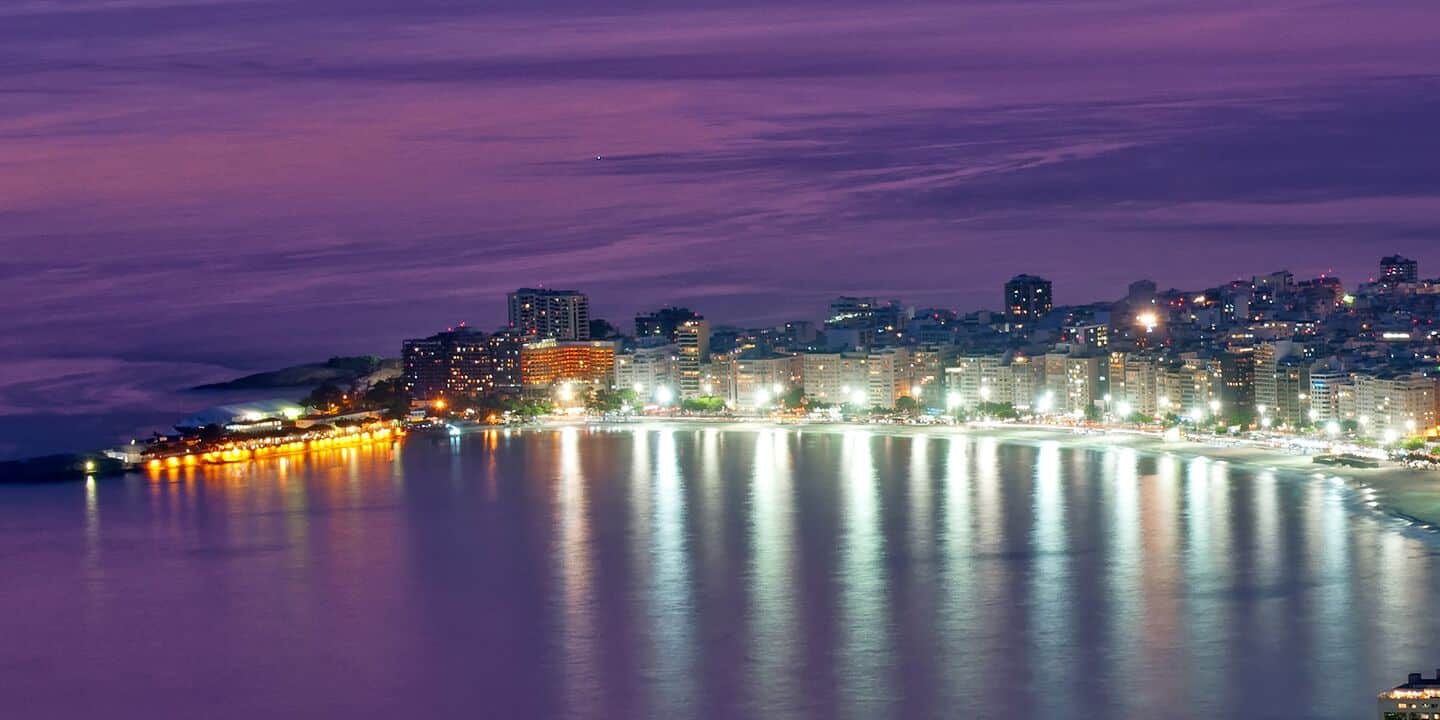
Night Surfing. Is that a new song by R.E.M. or what? A follow-up to Night Swimming? Not quite. Let’s find out.
I can totally get behind the idea of surfing at night for one very simple reason: no people. This just sounds absolutely glorious.
A little history
Funnily enough, that’s not how night surfing started. It’s as old as modern surfing itself.
Back in 1909, Alexander Hume Ford, a travel journalist somewhat obsessed with surfing who settled in Hawaii in 1907, mentions a feature of the annual Waikiki carnival where surfers attached acetylene lamps to their boards and surfed at night. “To ride the breakers in the circle of the light,” he said.
Where it happens now
Today, night surfing is usually done during the full moon, at easier-to-ride breaks such as Malibu, Rincon, and Trestles. In Huntington Beach, surfers used the lamppost light off the pier. The city was so nice, it even adjusted the wattage in the late 60s.
It’s not always so gentle, though. Apparently, Hawaii’s surfer Jock Sutherland became a legend of night surfing 20-foot waves at Waimea while high on LSD. It’s not something we’d recommend.
♂️ Thinking about trying it?
First, pick a beach that allows it, because some don’t. Preferably a break you’re very familiar with. And choose a good night for it, with a full moon when the ocean glows.
Or a break with floodlights nearby. I could mention wave pools with night sessions, but I won’t. Because you know—not really night surfing.
⚠️ Safety tips
Obvious—do not surf alone. Be aware that visibility, even in moonlight, is limited; you’ll be guessing where that next wave is breaking and where anything is, because all the landmarks disappear, and it’s easy to drift without realizing.
Oh, and sharks—they are more active at night. Be as visible as possible, so do use glow-in-the-dark leashes or LED board lights, and any high-visibility gear you can wear. Make your position known by yells or whistles, so you don’t collide with other surfers.
Best way to start
The best idea for any beginner is to start with a sunset session and let it ease into twilight. Slowly slowly catchy monkey. Or you can try Arpoador Beach in Rio de Janeiro, where you can surf 24 hours a day thanks to the stadium lights on the boardwalk.
One last thing: when you’re night surfing, it will feel like you’re going faster!