
Now Reading: Is surfing for me? 10 brutal truths for total beginners
-
01
Is surfing for me? 10 brutal truths for total beginners
Is surfing for me? 10 brutal truths for total beginners
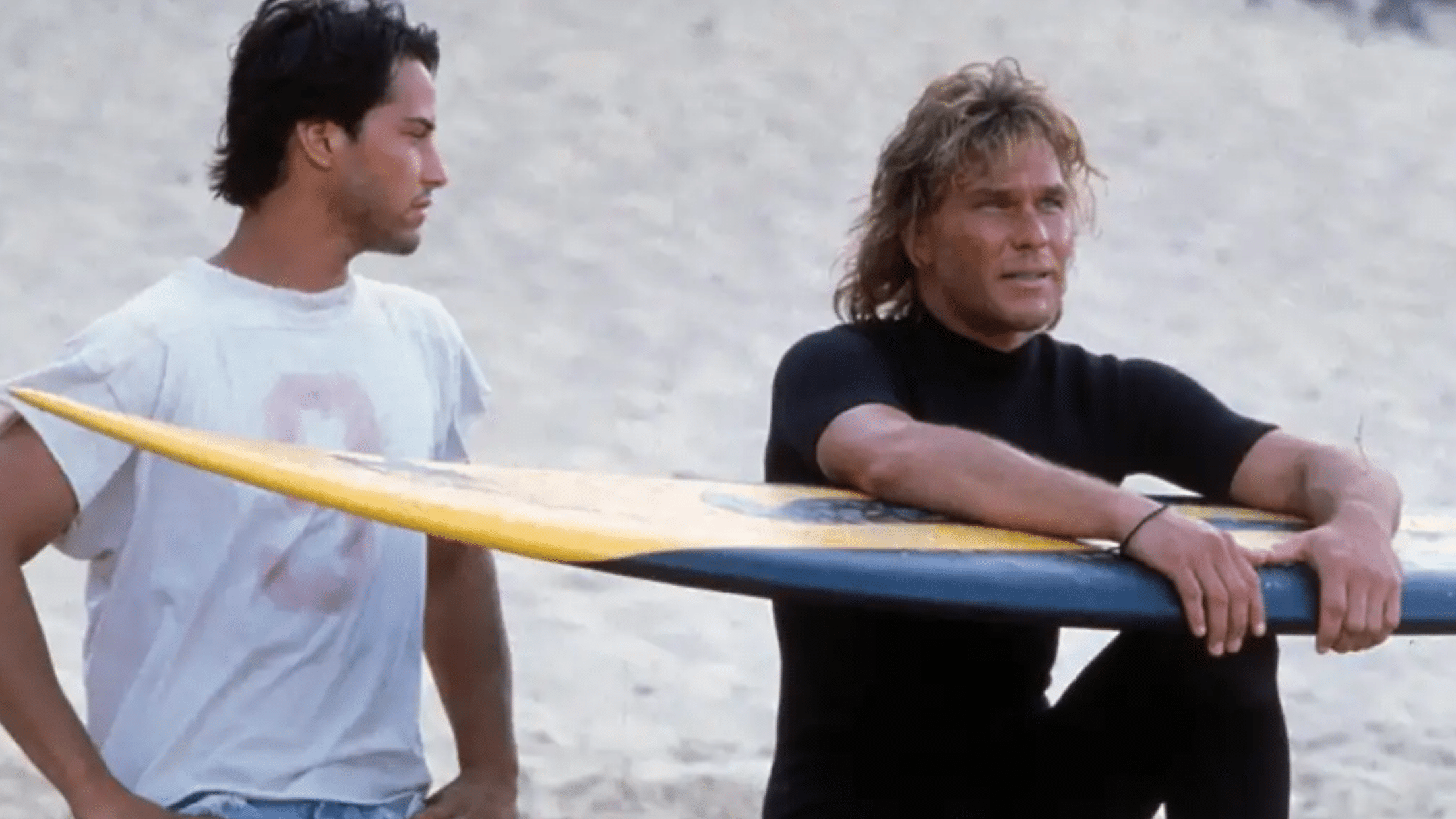
As I embark on a mammoth task of creating the ultimate Surfing 101 – The Wipeout Weekly style, I thought I’d begin by answering a question that literally no one never ever asks before taking their first lesson or jumping on a surfboard just to try it out:
Is surfing for me? Should I try surfing this summer?
Whatever your reason for stepping into the liquid, if you’re foreseeing stepping into it more than once, you might want to consider what lies ahead. So here are 10 things to be prepared for:
looks fun. it isn’t.
Surfing is possibly the most frustrating sport to learn. It requires a combo of surf skills, surf knowledge, fitness, mobility, endurance, and ocean (and fellow surfers) cooperating — all at the very same time. But once you get over this revelation and adjust your expectations, it’s pretty smooth sailing.
team sport it ain’t.
Waves are a finite resource, and the competition for the good ones is fierce. As a beginner, you will be at the very bottom of the pecking order. If you don’t follow the rules of surf etiquette, you will be called out as a “kook.” And depending on where you surf, you might need to deal with the dreaded localism.
it’s not free.
If you’re taking up surfing because you want to replace your personal trainer, sure it can work. But if you think it’s cheap, prepare for disappointment.
You will need a board, a leash, a wetsuit (unless you surf in the tropics), some wax, sunscreen, transport to the break, parking fees… If you ding your board — kaching. And God forbid you love it so much you want to surf all year round, because that travel will cost you too.
risk of injury is high.
It doesn’t matter how careful you are when surfing — accidents happen. You may take a board to the head, or step off weirdly and twist your ankle. Or fall on the reef and scrape your knees, arms, and everything else. The surfboard fins are deadly when the boards start flying around — and many surfers proudly wear fin-related scars.
it will shake your confidence.
Being assertive in surfing is one of the most undervalued skills. You need to stand your ground when your wave is due, but be careful not to lose it when someone drops in on you. Or worse — snakes you. Emotions will run high. You will get into a surf funk. And you will swear off surfing occasionally.
oh, the learning curve.
Four times a week. That’s how often you’d need to surf (at minimum) to progress in surfing. You can listen to all the gurus who advise you to practice on land when you can’t make it to the break (well, you should do that too), or you can listen to the surfers who’ve been there and done that — you need to surf to get better at surfing.
you can’t compare it to any other sport.
If you think that surfing will come easy to you because you snowboard or skateboard — think again. These skills will certainly be beneficial once you’ve learned to pop up and get the feel for the ocean, but perhaps not before. Surfing is its own beast.
waves don’t care if you’re fit.
The lack of cooperation from the ocean is annoying as hell when you’re learning to surf. You may have the skills. You may have the fitness. And… then the conditions turn crap for a week or two, and you forget how to surf.
so I just catch a wave and pop up?
Sure. Or you could try surfing proper and learn to read waves, duck dive, turtle roll, trim, bottom turn, stay in the pocket, or maybe, even one day… hang five.
surfers are assholes.
Oh yeah. You think we’re such a chilled-out bunch. But the lineup can also be competitive, territorial, and freakishly tense — especially at crowded or local-heavy breaks. Have you ever seen surfers smile?! Getting used to getting a stink eye is also a surf skill. And I don’t believe there are many surfers out there who are actively wishing for more people to learn to surf and join them in the lineup.
See, surfing is THE WORST.
Now, go and sign up for that first lesson (recommended!!!!) and find out for yourself why so many people do it despite all the reasons for not doing it that I’ve just mentioned. It’s the best thing you will ever do, and there’s a pretty good chance that none of the bad things above will ever happen to you.